Home Blog

Long Term Car Rental in Kenya

0
Kenya Car Travel

When planning a long-term rental in Kenya, it is important to think carefully before making a decision. Renting a car for a longer period, whether it is a car, a house, or safari equipment, requires more planning than a short-term option because it involves higher overall costs and a longer commitment. Many people focus only on the daily or monthly price, but there are other important things that can affect your experience over time. Conditions in Kenya, such as road quality, weather changes, and travel distances, can also influence your rental needs.

It is important to choose something that fits your lifestyle, travel plans, and budget while also being reliable for long-term use. You should also think about flexibility, support services, and how easy it is to manage the rental over time.

A good long-term Kenya car rental should give you comfort, convenience, and peace of mind throughout your stay. Taking time to understand the key factors will help you avoid problems and make a better decision that suits your needs in Kenya.

  1. Budget Planning

Budget is one of the first things you should consider when choosing a long-term car rental. Even if the daily rate looks affordable, the total cost over weeks or months can be quite high. You should calculate all expenses, including rental fees, fuel, insurance, and possible extra charges. This helps you avoid financial pressure and ensures that you can comfortably afford the car for the entire rental period without stress.

  1. Type of Vehicle

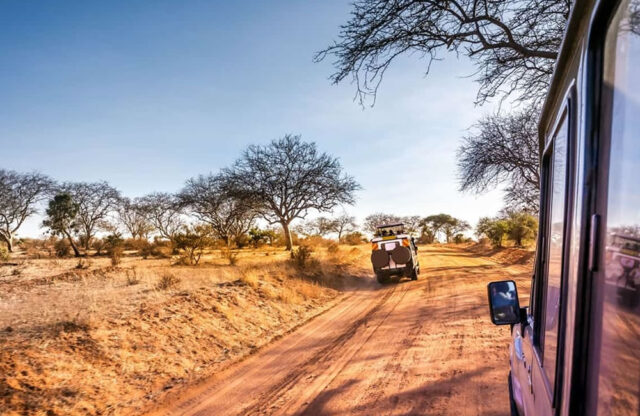
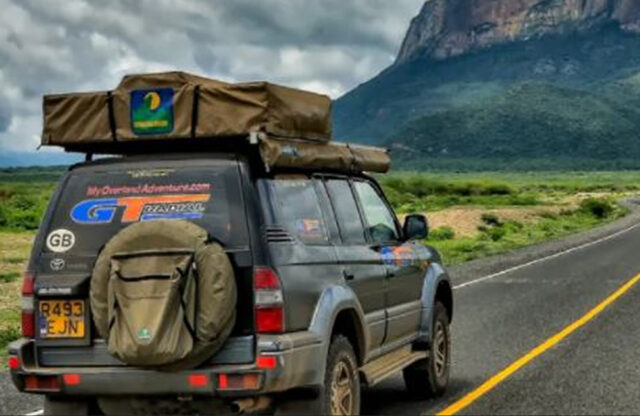
Choosing the right type of vehicle is very important for your travel needs. In Kenya, road conditions can vary greatly, especially between cities and rural areas. If you plan to visit national parks like Maasai Mara National Reserve, a 4×4 vehicle such as a Land Cruiser is a better choice than a small car. The right vehicle ensures safety, comfort, and better performance.

  1. Fuel Efficiency

Fuel efficiency is an important factor, especially for long-term rentals. In Kenya, you may travel long distances between destinations, and fuel costs can quickly increase. Choosing a car that uses less fuel will help you save money over time. A fuel-efficient vehicle is ideal for long road trips and daily use, making your rental more affordable.

  1. Rental Agreement Terms

Before renting a car, always read the rental agreement carefully. This document explains all the rules and conditions. Check details like rental duration, payment schedule, mileage limits, and penalties. Understanding the agreement helps you avoid misunderstandings and ensures that you follow all the rules during your rental period.

  1. Insurance Coverage

Insurance is very important when renting a car for a long time. It protects you from large expenses in case of accidents, damage, or theft. You should confirm what is covered and whether there is an excess amount you must pay. Good insurance coverage gives you peace of mind while driving in different parts of Kenya.

  1. Mileage Limits

Some rental companies place limits on how far you can drive. If you exceed the set mileage, you may have to pay extra charges. For long-term rentals, it is better to choose a plan with unlimited mileage, especially if you plan to travel across different regions of Kenya. This gives you more freedom to explore.

  1. Vehicle Condition

Always inspect the car before starting your rental. Check the engine, tires, brakes, lights, and overall condition. A well-maintained vehicle reduces the chances of breakdowns and ensures a smooth journey. Taking photos or noting any existing damage is also helpful to avoid disputes when returning the car.

  1. Maintenance and Servicing

For long-term rentals, maintenance is very important. You should ask who is responsible for servicing the vehicle. Some companies provide regular servicing, while others expect you to handle minor maintenance. Knowing this in advance helps you avoid unexpected costs and ensures the car remains in good condition.

  1. Road Conditions in Kenya

Road conditions in Kenya can vary from smooth highways to rough and dusty tracks. If you plan to visit areas like Amboseli National Park, you may encounter uneven roads. Choosing a strong and reliable vehicle helps you handle different terrains safely and comfortably.

  1. Deposit and Payment Terms

Most car rental companies require a security deposit. You should understand how much you need to pay, how it is held, and when it will be refunded. Also, check the payment methods and schedule. Clear payment terms help you manage your finances and avoid confusion at the end of the rental.

  1. Reputation of the Rental Company

It is important to choose a rental company with a good reputation. Reliable companies offer well-maintained vehicles and good customer service. You can read reviews or ask for recommendations. A trusted company reduces the risk of problems and ensures a better long-term rental experience.

  1. Customer Support and Assistance

Good customer support is very important during long-term rentals. If the car breaks down or you face any issues, you need quick help. Ask if the company offers roadside assistance or 24-hour support. Reliable support services can save you time and reduce stress during your journey.

  1. Comfort and Features

Comfort is very important when using a car for a long time. Check if the vehicle has comfortable seats, air conditioning, and enough space for luggage. These features make long drives more enjoyable and reduce fatigue, especially when traveling across Kenya.

  1. Legal Requirements

Make sure you meet all legal requirements before renting a car. You need a valid driving license, and international visitors may need an international driving permit. Following the law ensures that you avoid fines and travel safely during your stay in Kenya.

  1. Safety Features

Safety should always be a top priority. Check if the car has working seat belts, airbags, good brakes, and a spare tire. A vehicle with proper safety features reduces risks and gives you confidence while driving on different roads.

  1. Hidden Charges

Always ask about hidden charges before signing the agreement. These may include late return fees, cleaning charges, or extra driver fees. Knowing all costs in advance helps you avoid surprises and manage your budget better.

  1. Flexibility of the Rental

Flexibility is important in case your plans change. You may need to extend or shorten your rental period. Some companies allow this easily, while others charge extra fees. Choosing a flexible rental option makes your experience more convenient.

  1. Long-Term Value

Do not choose a car based only on a low price. A cheaper car may lead to higher costs due to poor fuel efficiency or frequent repairs. It is better to choose a reliable and efficient vehicle that offers good value over time.

  1. Communication with the Company

Clear communication with the rental company is very important. The company should respond quickly and clearly to your questions. Good communication helps solve problems easily and ensures a smooth rental experience.

  1. Future Travel Needs

Think about your future travel plans before choosing a car. If you plan to visit different regions or travel long distances, choose a vehicle that can handle those needs. A flexible and reliable car will make your long-term rental more convenient and enjoyable.

In conclusion, when choosing a long-term car rental, it’s essential to carefully evaluate various factors to ensure you get the best value and a vehicle that meets your needs. By considering aspects above you will enjoy a smoother experience. Taking the time to do your research and ask questions will help you select a reliable rental company and a car that fits your lifestyle. Choosing a reputable rental company with good customer support can make a big difference, especially if you need assistance during your rental period. By carefully considering these factors, you can enjoy a smooth, hassle-free driving experience throughout your time in Kenya.

Why Land Cruisers are the best 4X4 Overland Vehicles

0

When people dream of an overland adventure across East Africa  bouncing along dusty tracks in the Serengeti, climbing rugged roads in Uganda’s national parks, or crossing vast savannah grasslands in Tanzania — one vehicle name consistently rises above the rest: the Toyota Land Cruiser.

For good reason. The Land Cruiser has earned its reputation as the best 4X4 overland vehicle for hire across East Africa. This guide explains why so many travelers and rental companies in Kenya, Uganda, and Tanzania trust the Land Cruiser more than any other vehicle for self-drive safaris and extended overland journeys.

Unmatched Reliability in Tough East African Conditions

One of the strongest reasons the Land Cruiser is considered the best 4X4 overland vehicle for hire across East Africa is its legendary reliability. East African roads are a challenging mix of smooth tarmac, deeply corrugated murram, loose sand, and muddy tracks that become treacherous during the rains.

While many other 4x4s struggle or break down in these conditions, the Land Cruiser simply keeps going. Its straightforward, robust mechanical design has fewer delicate electronic parts that can fail in dust, extreme heat, or water crossings. Rental companies across the region report significantly lower breakdown rates and maintenance costs with Land Cruisers compared to other vehicles.

For travelers, this reliability means peace of mind. You can focus on enjoying the incredible landscapes and wildlife instead of worrying whether your vehicle will make it to the next lodge or campsite. In the demanding world of overland travel in East Africa, reliability isn’t a luxury it’s essential. The Land Cruiser delivers it, trip after trip.

Superior Off-Road Capability and Ground Clearance

The Land Cruiser’s outstanding off-road performance is another major reason it stands out as the best 4X4 overland vehicle for hire across East Africa. With high ground clearance, strong axles, and excellent approach and departure angles, it confidently handles deep ruts, rocky sections, sandy riverbeds, and muddy trails.

In national parks like Serengeti, Queen Elizabeth, Tsavo, or Murchison Falls, you’ll often need to leave the main tracks to follow wildlife or reach remote viewpoints. The Land Cruiser makes these detours safe and possible. Its full-time or part-time 4WD system, combined with locking differentials on many models, provides excellent traction even in difficult conditions.

Rental fleets in Kenya, Uganda, and Tanzania overwhelmingly prefer Land Cruisers because they can tackle the toughest routes while keeping passengers comfortable. For families, photographers, or anyone who wants to explore beyond the usual tourist paths, this superior capability makes a huge difference to the quality of their East African adventure.

Spacious, Comfortable, and Family-Friendly Design

Long days on rough roads can be tiring, which is why comfort is so important when choosing a vehicle for an overland trip. The Land Cruiser excels in this area too. Its spacious cabin, supportive seats, and surprisingly smooth ride on corrugated roads make it comfortable even after 8–10 hours of driving.

For families or small groups, the Land Cruiser offers plenty of legroom and cargo space for luggage, cool boxes, camera gear, and camping equipment. Many models come with roof racks, making it easy to add a rooftop tent for multi-day overland journeys.

Travelers often comment that after a full day of game drives or rough-road travel, they still arrive at their lodge or campsite feeling relatively fresh. This comfort is one of the key reasons the Land Cruiser is widely regarded as the best 4X4 overland vehicle for hire across East Africa, especially for those who want to combine real adventure with a reasonable level of comfort.

Proven Track Record and Widespread Parts Availability

The Toyota Land Cruiser has dominated East African roads for decades, and that long history works strongly in its favor. Because it is so common, spare parts are readily available in even the most remote towns across Kenya, Uganda, and Tanzania.

Local mechanics are highly familiar with the Land Cruiser’s engine and mechanical systems, meaning repairs  if ever needed  can be done quickly and affordably. This widespread support network gives travelers confidence that they won’t be stranded far from help.

Rental companies love this too. It reduces their operational risks and allows them to offer more competitive rates. For anyone planning a self-drive safari or overland journey, knowing that help and parts are never too far away is incredibly reassuring. This proven track record and excellent parts availability are major reasons why the Land Cruiser remains the best 4X4 overland vehicle for hire across East Africa.

Excellent Resale Value and Rental Company Preference

Rental companies across East Africa overwhelmingly choose the Land Cruiser because it holds its value extremely well. Even after hundreds of thousands of kilometers, a well-maintained Land Cruiser still commands a strong resale price. This makes it economically sensible for companies to invest in Land Cruiser fleets.

For travelers, this preference by rental companies means you have access to a large pool of well-maintained vehicles with proven reliability. When you rent a Land Cruiser, you’re getting a vehicle that has been carefully selected and regularly serviced by professionals who understand East African conditions.

This industry-wide trust is why the Land Cruiser is consistently recommended as the best 4X4 overland vehicle for hire across East Africa. It’s not just clever marketing  it’s a practical choice backed by decades of real-world performance in some of the toughest driving environments on the continent.

Safety Features and Long-Distance Travel Confidence

Modern Land Cruiser models include important safety features that add another layer of confidence for long-distance overland travel. Strong chassis construction, multiple airbags, ABS brakes, and stability control systems help protect occupants even on challenging roads.

For families and solo travelers, this safety margin is reassuring, especially when driving in remote areas where help may not be immediately available. The vehicle’s height also provides better visibility, helping drivers spot hazards such as potholes, animals, or oncoming traffic earlier.

When combined with its mechanical robustness, these features make the Land Cruiser feel like a safe, trustworthy companion for extended self-drive safaris and overland journeys across East Africa. This blend of safety, capability, and comfort explains why it continues to be the top choice for serious travelers.

Conclusion: Why the Land Cruiser Remains the King of East African Overland Travel

After decades of dominating the East African roads, the Toyota Land Cruiser has earned its title as the best 4X4 overland vehicle for hire across East Africa. Its unbeatable combination of reliability, off-road capability, comfort, parts availability, and resale value makes it the smart choice for anyone planning a self-drive safari or extended overland adventure.

Whether you’re exploring the Serengeti, crossing into Uganda’s national parks, or venturing through Tanzania’s remote corners, the Land Cruiser gives you the confidence to go further and enjoy the journey more fully.

If you’re planning your next East African adventure, consider renting a Land Cruiser. It’s not just a vehicle  it’s a trusted partner that has carried countless travelers safely through some of Africa’s most beautiful and challenging landscapes.

For reliable and well-maintained Land Cruisers, 4X4 Uganda Car Rentals stands out as one of the best car rental companies in Uganda, known for quality fleets and excellent support for self-drive and overland safaris.

Best 6 Amazing Places to Visit on Kenya Self Drive

0
Self Driving Kenya

There’s something incredibly liberating about packing your bags, collecting a sturdy 4×4, and setting off on your own Kenya self drive. No fixed tour schedule, no crowded bus  just you, the open road, and the freedom to stop whenever a herd of elephants crosses your path or a lion rests under an acacia tree. A self drive safari Kenya experience lets you create personal memories at your own pace, making it one of the most rewarding ways to explore this magnificent country.

This ultimate guide highlights the top 6 amazing places to visit on a Kenya self drive trip, all perfectly suited for independent travelers. Whether you’re starting from Nairobi or flying into Mombasa, these destinations combine breathtaking wildlife, dramatic landscapes, and accessible roads that make self-driving both practical and exciting in 2026–2027.

1. Masai Mara National Reserve – The Undisputed Highlight of Any Kenya Self Drive Trip

The Masai Mara is the crown jewel of any Kenya trip. This iconic reserve offers some of the most dramatic wildlife viewing in Africa, especially during the Great Migration from July to October, when millions of wildebeest and zebras cross the Mara River in spectacular fashion.

On your self drive safari here, you can explore the open plains and riverine areas at your own pace, spotting lions, cheetahs, elephants, and massive buffalo herds. The well-maintained tracks make navigation straightforward, and you can pull over safely for picnic breakfasts with a front-row view of the savannah.

The drive from Nairobi takes about 5–6 hours, or you can fly into one of the local airstrips for a shorter journey. Entry fees are approximately $100 per person per day during peak season. Whether you witness a river crossing or simply watch a pride of lions at dawn, the Masai Mara delivers unforgettable moments that make every Kenya trip truly special.

2. Amboseli National Park – Mount Kilimanjaro and Elephants in Perfect Harmony

Amboseli National Park is one of the most photogenic stops on a Kenya self drive trip. Famous for its stunning views of Mount Kilimanjaro and large elephant herds, it offers a classic safari experience with a dramatic backdrop that never fails to impress.

During your self drive safari Kenya in Amboseli, you’ll cruise the flat plains and swamps spotting elephants, buffaloes, zebras, and giraffes, often with Africa’s highest mountain towering in the distance. The park’s open landscape makes wildlife viewing easy and relaxing, perfect for families and first-time self-drivers.

The drive from Nairobi takes about 4–5 hours on mostly good roads. Entry is around $60–90 per person per day. Many visitors say the combination of elephants and Kilimanjaro views creates some of the most postcard-perfect moments on any Kenya self drive trip. Early morning and late afternoon drives deliver the best light and animal activity.

3. Tsavo East and Tsavo West National Parks – Vast Wilderness for Adventurous Self-Drivers

The Tsavo parks together form one of the largest protected areas in the world and are perfect for travelers seeking a true wilderness feel on their Kenya self drive trip. Tsavo East is known for its red-dust plains and huge elephant herds, while Tsavo West offers more varied terrain with volcanic hills, springs, and lush greenery.

On your self drive safari Kenya in Tsavo, you can explore vast landscapes with fewer visitors than the Mara, giving you a greater sense of solitude. Both parks have excellent game viewing, including lions, leopards, and the famous “red elephants” covered in Tsavo’s characteristic red soil.

The drive from Nairobi takes about 5–6 hours. Entry fees are approximately $50–80 per person per day. The sheer size of Tsavo means you can drive for hours without seeing another vehicle, making it ideal for those who want a more adventurous and less commercial Kenya self drive trip.

4. Lake Nakuru National Park – Flamingos, Rhinos, and Easy Accessibility

Lake Nakuru National Park is a wonderful addition to any Kenya self drive trip, especially for families and first-time self-drivers. Famous for its flamingo-covered soda lake and healthy population of black and white rhinos, it offers excellent wildlife viewing in a compact, easy-to-navigate area.

During your self drive safari Kenya here, you can spot rhinos, lions, leopards, and over 450 bird species. The park’s good road network makes it very suitable for self-driving, and the beautiful lakeside scenery provides a peaceful contrast to the busier savannah parks.

The drive from Nairobi takes about 3 hours, making it an ideal stop on a longer itinerary or a short getaway. Entry is around $60 per person per day. Many travelers say Lake Nakuru offers some of the most relaxing and rewarding game drives in Kenya, with the added bonus of being malaria-free in certain seasons.

5. Samburu National Reserve – Unique Wildlife in a Dramatic Landscape

Samburu National Reserve offers a completely different experience on a Kenya self drive trip. Located in the arid northern region, it features dramatic rocky landscapes, the Ewaso Nyiro River, and several species rarely seen elsewhere — including the reticulated giraffe, Grevy’s zebra, and Somali ostrich.

On your self drive safari Kenya in Samburu, you’ll enjoy excellent sightings of these special animals along with elephants, lions, and leopards. The reserve’s semi-arid environment creates a rugged, adventurous atmosphere that feels wonderfully remote.

The drive from Nairobi takes about 5–6 hours. Entry fees are approximately $80 per person per day. Samburu is perfect for travelers who want something different from the classic southern parks and are looking for a more exclusive Kenya self drive experience.

6. Nairobi National Park – Convenient Wildlife Just Outside the City

Don’t overlook Nairobi National Park — it’s a fantastic starting or ending point for any Kenya self drive trip. Located just minutes from Nairobi city center, this small but beautiful park offers a surprising variety of wildlife against the backdrop of the city skyline.

Self-driving here is easy and family-friendly. You can spot black rhinos, lions, giraffes, and zebras, and even enjoy short walking trails with armed rangers. The park’s proximity makes it perfect for a half-day or full-day game drive when you have limited time.

Entry is around $50 per person per day. Many travelers combine a visit with a city tour or as a gentle introduction to Kenyan wildlife before heading to more remote parks. Nairobi National Park proves that you don’t need to travel far to enjoy excellent game drives in Kenya.

Essential Tips for Planning Your Kenya Self Drive Trip

A successful Kenya self drive trip starts with smart preparation. Rent a sturdy 4×4 with high ground clearance and full insurance. Book your vehicle and park accommodations in advance, especially during peak dry season. Carry offline maps, a physical park map, plenty of water, and a first-aid kit. Drive during daylight, respect park speed limits, and always follow ranger advice. Fuel up in major towns and budget carefully for park fees.

For reliable and comfortable 4×4 vehicles, 4×4 Kenya Car Rentals stands out as one of the best car rental companies in Kenya, offering well-maintained fleets and excellent support for self-drive safaris. With good planning, your self drive safari Kenya will be safe, flexible, and deeply rewarding.

Conclusion: Start Planning Your Unforgettable Kenya Self Drive Trip Today

From the dramatic wildlife action of the Masai Mara to the iconic views of Amboseli, the vast wilderness of Tsavo, the flamingos of Lake Nakuru, the unique species of Samburu, and the convenient wildlife of Nairobi National Park, these top 6 amazing places to visit on a Kenya self guided trip showcase the very best that Kenya has to offer.

A self drive safari Kenya gives you the ultimate freedom to explore at your own rhythm and create personal stories with Africa’s wildlife and landscapes. Whether it’s your first African adventure or your tenth, the open road and Kenya’s wonders are waiting.

Rent a reliable 4×4, plan thoughtfully, and hit the road — your perfect Kenya self drive trip begins now!

Visiting Bwindi Impenetrable National Park

0

Bwindi Impenetrable National Park lies to the southwestern part of Uganda on the peripheral of Albertine Rift which is the section of the Great Rift Valley. Its altitude ranges from 1190 to 2607 metres above sea level and more than have of the park at around 60% has an elevation of over 2000 metres which is 6600 feet. Rwamunyonyi hill on the eastern edge has the highest elevation of the park.

This is a UNESCO – World heritage site with over 330 square kilometres of jungle forests with exclusive montane and lowland forest that is accessible only on foot.

The hillsides are covered by mist and blanketed by one of Uganda’s oldest and most biologically diverse rain forests that date back over 25,000 years and boasts of over 400 plant species. This is the genuine tropical rain forest that is one of a kind spreading across the steep y landscape and valleys of east Africa and central Africa. This is one of the richest ecosystems of Africa with diversity in species having been names depicting dark place equated to its thick and impenetrable nature of the packed rain forests.

Bwindi impenetrable park is home to 120 species of mammals, about 350 bird species, 220 species of butterflies, 27 species of frogs, chameleons, geckos and many endangered species.

Bwindi is rich with flora with more that 1000 flowering plant species comprising of 163 tree species and 104 species of ferns. The northern sector which has the lowest altitude is rich in brown mahogany among other few that are endangered species.

Bwindi is one of the most spectacular rain forests in Africa in the of mammal diversity, supporting at least 120 known species. It contains about half of the world’s mountain gorillas (Gorilla beringei beringei; IUCN category ‘Endangered’.

It is also a special habitat for 11 species of primates, the most attraction that include Chimpanzee, the monkey varieties. The globally threatened primate is the Eastern Chimpanzee (Pan troglodytes schweinfurthi; Endangered). Bwindi also hosts Blue Monkey (Cercopithecus mitis), Red-tailed Monkey (Cercopithecus ascanius), Black and White Colobus Monkeys (Colobus guereza), and olive baboon.

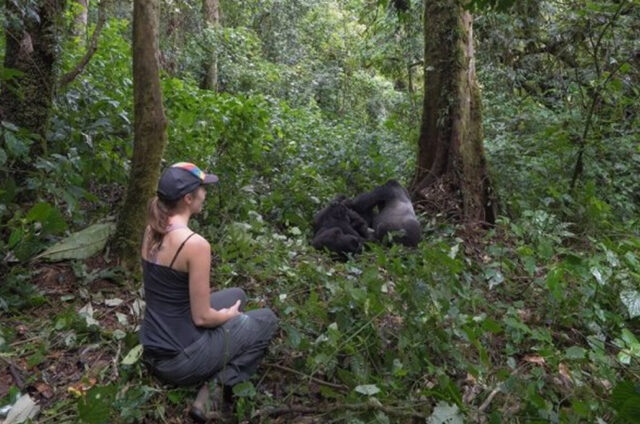
Specially, Bwindi is home to 360 Gorilla gorilla beringei*, a half of the total remaining world population. Mammals count only 30 (buffaloes, leopards, elephants).

The adjacent towns of Buhoma and Nkuringo both provides comfort stay in luxury lodges, rustic bandas and budget campsites, as well as modern restaurants, craft stalls and guiding services.

Things to Do in Bwindi

While in Bwindi you can do Mountain biking that follows a well-maintained trail from the park headquarters at Buhoma to the Ivi River. Along this 13km trail you may see wildlife such as bushbucks, black-and-white colobus and red-tailed monkeys. This is also suits the birdwatchers as the varied habitats of forest means its ideal for a variety of birds with 350 species recorded including 23 endemics (90% of all Albertine Rift endemics).

It is a humbling experience to stand just meters from Chimpanzee as they eat rest, play and bond with their young. Follow the mountain gorillas as they range freely in the impenetrable forest, and discover their gorgeous natural habital and the many species they share it with.

With six main nature trails in Buhoma for those who wish to explore the “impenetrable forest”, including waterfall walks, forest walks, primate encounters, mountain views and impressive birdlife.

There is also an opportunity to come close to the culture of the local Bakiga and Batwa communities through village walks, blacksmith visits, craft shops and vibrant dances

Must-Know Tips for a Tanzania Self-Drive Safari

0

Planning a self-drive safari in Tanzania can be an exciting and rewarding experience, especially for travelers who enjoy independence and adventure. Instead of following a fixed tour plan, you have the chance to explore the country in your own way and at your own pace. Tanzania offers a wide range of landscapes, including national parks, mountains, villages, and coastal areas. Driving yourself allows you to discover these places more freely and spend more time where you feel most comfortable.

However, a successful self-drive trip requires some preparation and basic knowledge. Understanding the roads, rules, and local conditions can make your journey safer and more enjoyable. It is also important to plan your route, choose the right vehicle, and carry the necessary supplies. With the right approach, a self-drive safari in Tanzania can become one of the most memorable travel experiences you will ever have.

  1. Drive on the Left Side of the Road: In Tanzania, all vehicles drive on the left side of the road. This is very important to remember, especially if you are from a country where people drive on the right. It can feel confusing at first, especially when turning, joining traffic, or using roundabouts. Always stay alert and take your time. If you are not confident, practice in a quiet area before heading onto busy roads.
  2. A 4×4 Vehicle is the Best Choice: Tanzania has many unpaved and bumpy roads, especially in national parks and rural areas. A 4×4 (four-wheel drive) vehicle is the best type of car for self-driving. It can handle rough roads, mud, and hills. Small cars are cheaper but not good for most routes outside towns. A 4×4 gives you more safety, comfort, and freedom to explore places where normal cars cannot go.
  3. Road Conditions Can Be Rough: Roads in Tanzania can change quickly. Some highways are smooth and paved, but many roads in the countryside and in parks are gravel, rocky, or full of potholes. During the rainy season, these roads become muddy or flooded. Drive slowly and carefully. Avoid driving at night because it is hard to see, and there may be people, animals, or broken-down vehicles on the road.
  4. Download Offline Maps or Use a GPS: In some areas, mobile networks don’t work. To avoid getting lost, download offline maps before your trip using apps like Google Maps or Maps.me. A GPS device can also help you stay on track. Do not rely only on mobile data, especially when driving in remote areas. Keep a paper map as a backup, just in case your phone or GPS stops working.
  5. Fuel Stations Are Not Everywhere: You can find fuel stations in cities and big towns, but they are rare in small villages or national parks. Always fill up your tank before driving long distances. It’s also smart to carry a small jerry can of extra fuel, especially if you are visiting the Serengeti or southern Tanzania. Most fuel stations take cash, so carry Tanzanian shillings with you.
  6. Bring Your Driving License and International Permit: To drive in Tanzania, you need a valid driver’s license from your home country. Many rental companies also ask for an International Driving Permit (IDP), especially if your license is not in English. Bring both just to be safe. Keep your documents with you while driving, as police may ask to see them at checkpoints.
  7. Police Checkpoints Are Common: You will often pass through police checkpoints on main roads. This is normal in Tanzania. Police officers may ask to see your license, car papers, or insurance. Be calm and respectful. If your documents are in order, they will let you continue. Never offer bribes. If you are unsure about something, call your car rental company for help.
  8. Follow Speed Limits and Drive Safely: The speed limit in cities is usually 50 km/h, and on highways it is 80 to 100 km/h, unless a sign says otherwise. Watch out for speed bumps, especially near schools or villages. They are often unmarked and can damage your car if you go too fast. Driving slowly also helps you avoid accidents with animals, people, or potholes.
  9. Always Wear Your Seatbelt: In Tanzania, it is the law to wear a seat belt while driving. This is for your safety. Everyone in the car should wear one, not just the driver. If you are caught without a seat belt, you may have to pay a fine. Wearing your seat belt can save your life in case of an accident.
  10. Avoid Driving at Night: Driving at night in Tanzania is not safe. Roads may have no street lights, and you might not see people, animals, or broken vehicles on the road. Also, some areas may not be safe for tourists after dark. Try to finish your journey before sunset. Plan your route so you reach your destination during the day.
  11. Know Where You Are Allowed to Drive: Some rental companies do not allow you to take their cars into certain areas or across country borders. Ask your rental company where you are allowed to go. If you plan to visit a national park, ask if the car is park-approved. Driving into a restricted area may break the rules and void your insurance.
  12. Understand the Insurance Policy: Before you rent a car, ask about the insurance coverage. Most companies include basic insurance, but it may not cover damage to tires, windows, or the roof tent. You may need to pay extra for full coverage. Make sure you understand what is covered and what is not. This helps you avoid surprise costs if something goes wrong.
  13. Prepare for Wildlife Viewing: One of the best parts of self-driving in Tanzania is seeing wild animals. If you drive into a national park, follow all park rules. Never leave your car except at marked picnic sites. Stay at least 25 meters away from wild animals. Do not play loud music or disturb wildlife. Drive slowly and enjoy the experience without rushing.
  14. Carry Food, Water, and Supplies: In remote areas, shops and restaurants may not be available. Carry snacks, water, and basic supplies like tissues, hand sanitizer, and sunscreen. If you are camping, bring your own cooking gear and food. Even on short drives, it’s good to have a bottle of water and something to eat in case of delays or roadblocks.
  15. Pack an Emergency Kit: Things can go wrong on the road, even with a good car. Pack a small emergency kit with items like a flashlight, jumper cables, a first-aid kit, a tire repair kit, and a reflective triangle. Your rental company should give you a spare tire, jack, and tools make sure they are there before you leave the office.
  16. Respect Local People and Culture: Tanzanians are friendly and welcoming. Greet people with a smile and show respect to local customs. Drive slowly through villages and do not splash water on people or animals. Dress modestly and ask for permission before taking photos of people or homes. Respecting the local culture will make your trip more enjoyable and create good memories.
  17. Book Campsites or Lodges in Advance: If you plan to visit popular parks like Serengeti or Ngorongoro during the high season (June to October), book your accommodation in advance. Campsites and lodges get full quickly. Even for public campsites, it’s best to reserve early through TANAPA (Tanzania National Parks) or NCA (Ngorongoro Conservation Area) websites or agents.
  18. Keep Some Cash with You: While credit cards are accepted in some lodges and hotels, many fuel stations, shops, and small restaurants only take cash. Carry enough Tanzanian shillings for daily use. ATMs are available in big towns like Arusha, Moshi, or Dar es Salaam, but may not work in small villages. Keep your money safe and split it in different places in your bag or car.
  19. Check the Weather Before You Drive: Tanzania has two rainy seasons: the long rains (March to May) and short rains (November). During these times, roads can be slippery, and rivers may flood. Always check the weather forecast before starting your journey. If the weather looks bad, wait or choose a different route. Safety comes first.
  20. Stay in Touch with Your Rental Company: Most good rental companies offer 24/7 support. Keep their contact number saved in your phone. If you have a problem like a breakdown, flat tire, or accident, call them right away. They can guide you or send help. It’s also good to send them a message every few days to update them on your location.

Conclusion:

A self-drive safari in Tanzania can be a truly special experience when you plan well and stay prepared. It gives you the freedom to explore nature, enjoy wildlife, and travel at your own pace. By understanding the basics and staying careful on the road, you can avoid many common problems.

Always respect local rules, take your time, and be ready for changing conditions. Good preparation helps you feel more confident throughout the journey.

At the end, a self-drive safari is not just about reaching places, but about enjoying every moment along the way and creating lasting memories.

Traveling Well in Africa

0
Women Travel Africa

Africa is a vast and beautiful continent with many unique places to visit. From stunning landscapes and incredible wildlife to rich cultures and warm people, Africa offers unforgettable experiences.

Whether you want to go on a safari, climb mountains, relax on beautiful beaches, or explore vibrant cities, traveling well in Africa means being prepared, respectful, and open-minded.

This guide will help you understand how to travel safely, responsibly, and enjoyably in Africa. Africa is the second-largest continent in the world, with 54 countries. Each country has its own culture, language, and way of life. Some places are well-developed with modern cities, while others have remote villages where people live traditionally. It is important to do research about the specific country you are visiting. Knowing the local customs, climate, and travel conditions will help you have a smooth trip.

  1. Planning Your Trip

Good planning is key to a successful trip. Africa has many different types of travel experiences, from luxury safaris to budget backpacking. Decide what kind of trip you want and plan accordingly. If you want to see wildlife, you can visit famous national parks like the Serengeti in Tanzania or Kruger National Park in South Africa. If you love history and culture, you can explore the pyramids of Egypt or the ancient cities of Ethiopia.

  1. Travel Documents and Visas

Before traveling to Africa, check the visa requirements for your destination. Some countries allow visas on arrival, while others require you to apply in advance. Your passport should be valid for at least six months from your date of travel. It is also a good idea to make copies of your important documents, such as your passport, visa, and travel insurance, in case you lose them.

  1. Health and Safety

Staying healthy is important when traveling in Africa. Some areas have diseases like malaria, so you may need to take preventive medicine. Vaccinations such as yellow fever, hepatitis, and typhoid may also be required. Drink bottled or purified water to avoid getting sick, and be careful about the food you eat. It is always best to eat freshly cooked meals from clean places.

Safety is also an important part of traveling well. Some areas have higher crime rates, so always be aware of your surroundings. Avoid walking alone at night, do not show expensive items, and keep your belongings secure. Listen to local advice and follow the rules to stay safe.

  1. Respecting Local Culture and Traditions

Africa is home to many cultures, languages, and traditions. Showing respect to local people is an important part of good travel. Learning a few basic words in the local language, such as greetings and thank you, can make a big difference.

Dress modestly in conservative areas and always ask before taking pictures of people. Some communities have traditions and customs that are different from what you may be used to. Being open-minded and respectful will make your experience better and create positive interactions with local people.

  1. Transportation in Africa

Getting around Africa can be an adventure. Some cities have modern transportation systems, while rural areas may have only basic options. In some countries, buses and minibuses are the main way people travel. Taxis and motorcycle taxis are also common, but always agree on the price before starting the trip.

For longer distances, domestic flights are available in many countries. If you enjoy road trips, renting a car can be a great way to explore, but be prepared for rough roads in some areas. In wildlife parks, it is best to have a 4×4 vehicle to handle the terrain.

  1. Accommodation Options

Africa has a wide range of accommodation options. Luxury travellers can stay in five-star hotels or safari lodges, while budget travellers can find hostels, guesthouses, and campsites. Many national parks offer lodges and tented camps, allowing visitors to stay close to nature. If you are staying in local villages or guesthouses, it is a great opportunity to experience the culture and hospitality of the people.

  1. Food and Dining

African cuisine is diverse and delicious. Each country has its own traditional dishes. In West Africa, you can try jollof rice and fried plantains. In East Africa, you may enjoy ugali and nyama choma (grilled meat). In North Africa, dishes like couscous and tagine are popular. Street food is a great way to experience local flavours, but choose places that look clean and busy with customers.

  1. Wildlife and Nature

One of the biggest attractions in Africa is its wildlife. Many travellers come to see the Big Five lion, elephant, buffalo, leopard, and rhino. There are many national parks and game reserves where you can go on safaris. It is important to follow park rules, respect the animals, and avoid disturbing their natural habitat.

Eco-tourism is growing in Africa, and many lodges and tour companies focus on protecting the environment. Choosing responsible tour operators helps support conservation efforts and local communities.

  1. Shopping and Souvenirs

Africa is a great place to buy unique souvenirs. Markets and craft shops sell handmade items such as jewellery, fabrics, wooden carvings, and paintings. Bargaining is common in many markets, so do not be afraid to negotiate prices. Buying from local artisans helps support their livelihoods and keeps traditional crafts alive.

  1. Money and Budgeting

The cost of traveling in Africa varies depending on the country and the type of travel you choose. Some places, like South Africa and Kenya, have a mix of budget and luxury options. Others, like Seychelles and Botswana, are more expensive.

Most countries use their own currency, but US dollars and euros are widely accepted in many tourist areas. It is a good idea to carry some cash because ATMs may not always be available, especially in remote areas.

  1. Communication and Connectivity

Staying connected in Africa is easier than ever. Many cities and towns have internet access, and you can buy local SIM cards for affordable mobile data. Apps like WhatsApp and Google Maps can help you communicate and navigate. In some remote areas, internet and phone signals may be weak, so be prepared for limited connectivity.

  1. Responsible Travel

Being a responsible traveler means respecting nature, culture, and local communities. Avoid littering, reduce plastic use, and support businesses that are environmentally friendly. Volunteering or donating to ethical organizations can also make a positive impact. 

Conclusion

Traveling well in Africa is about preparation, respect, and embracing new experiences. By planning ahead, staying safe, and respecting local cultures, you can have a rewarding and unforgettable journey. Whether you are exploring the wild landscapes, meeting friendly people, or enjoying delicious food, Africa has something for everyone. With an open heart and a spirit of adventure, you will create amazing memories while traveling across this incredible continent.

Exploring the Natural Wonders of Kenya

0

Located along the equator in East Africa, Kenya is a land of dramatic contrasts and breathtaking beauty. From vast savannah plains filled with wildlife to snow-capped mountains, tropical beaches, freshwater lakes, and volcanic landscapes, Kenya offers some of Africa’s most iconic natural attractions. Exploring the natural wonders on a Kenya safari is a journey through diverse ecosystems that support extraordinary biodiversity and unforgettable scenery.

The Iconic Maasai Mara

No exploration of Kenya’s natural wonders is complete without visiting the world-famous Maasai Mara National Reserve. Known for its sweeping grasslands and abundant wildlife, the Maasai Mara is part of the larger Serengeti ecosystem.

The reserve is globally known for the Great Migration, where millions of wildebeest, zebras, and gazelles cross the Mara River in search of fresh grazing. Visitors can witness lions, cheetahs, leopards, elephants, and buffalo in their natural habitat. Sunrise and sunset game drives across the golden plains offer some of the most dramatic wildlife photography opportunities in Africa.

Mount Kenya – Africa’s Second-Highest Peak

Towering above the central highlands is Mount Kenya, Africa’s second-highest mountain and a UNESCO World Heritage Site. Its jagged peaks, glaciers, and alpine meadows create a stunning landscape.

Hikers and climbers can explore forested slopes rich with wildlife such as colobus monkeys and buffalo, while experienced mountaineers attempt to reach Point Lenana. The mountain also plays a crucial role in Kenya’s water supply, feeding rivers that support agriculture and wildlife.

Lake Nakuru National Park

Lake Nakuru National Park is famous for its pink shores, often covered with thousands of flamingos feeding in the alkaline waters. The park also protects endangered black and white rhinos, Rothschild’s giraffes, and numerous bird species.

The combination of shimmering lake waters, acacia woodlands, and wildlife makes Lake Nakuru one of Kenya’s most picturesque destinations.

Amboseli National Park

In southern Kenya lies Amboseli National Park, renowned for its large elephant herds and stunning views of Mount Kilimanjaro just across the border in Tanzania.

The park’s open plains, swamps, and seasonal lakes attract a wide range of wildlife. Seeing elephants walk against the backdrop of Africa’s highest mountain creates one of the continent’s most iconic scenes.

The Turquoise Waters of the Indian Ocean

Kenya’s coastline along the Indian Ocean offers a different kind of natural wonder. White sandy beaches, coral reefs, and warm turquoise waters make destinations like Diani and Watamu popular for relaxation and marine exploration.

Watamu Marine National Park protects coral reefs teeming with colorful fish, sea turtles, and other marine life. Snorkeling and diving here reveal a vibrant underwater world.

Tsavo National Park

Tsavo National Park, divided into Tsavo East and Tsavo West, is one of Kenya’s largest protected areas. Its red soil, volcanic hills, lava flows, and vast plains create a rugged and wild landscape.

Tsavo is known for its “red elephants,” which appear colored by the park’s distinctive soil. The park also features the Mzima Springs, where crystal-clear waters allow visitors to observe hippos and fish through underwater viewing chambers.

Lake Turkana – The Jade Sea

In northern Kenya lies Lake Turkana, the world’s largest desert lake. Often called the “Jade Sea” because of its striking green color, Lake Turkana sits in a stark, arid environment that contrasts sharply with Kenya’s greener regions.

The lake and its surrounding landscapes are rich in archaeological history and unique desert wildlife, offering an off-the-beaten-path adventure for intrepid travelers.

A Haven for Biodiversity

Kenya’s natural wonders support an impressive range of wildlife and plant species. The country is home to:

  • The Big Five (lion, elephant, leopard, buffalo, rhino)
  • Over 1,100 bird species
  • Diverse marine life along the coast
  • Rare and endemic plants in mountain and desert regions

This biodiversity has made Kenya one of the world’s leading safari and eco-tourism destinations.

Conclusion

Exploring the natural wonders of Kenya reveals a land of extraordinary diversity and beauty. From the wildlife-rich plains of the Maasai Mara and the snow-capped peaks of Mount Kenya to the coral reefs of the Indian Ocean and the dramatic landscapes of the Rift Valley, Kenya offers experiences that captivate every traveler.

Whether you seek adventure, wildlife encounters, mountain trekking, or coastal relaxation, Kenya’s natural treasures promise unforgettable journeys into the heart of Africa.

Exploring Traditional Life in Rural Rwanda

0
Rural Rwanda

Beyond the modern skyline of Kigali lies a countryside shaped by rolling green hills, red-earth paths, and tightly knit communities. Rural Rwanda offers visitors a chance to step into a world where customs, storytelling, farming traditions, and communal values remain central to everyday life. Exploring traditional life on a Rwanda safari is not simply about observing culture but is about understanding a rhythm of living that has endured for generations.

The landscape that shapes life

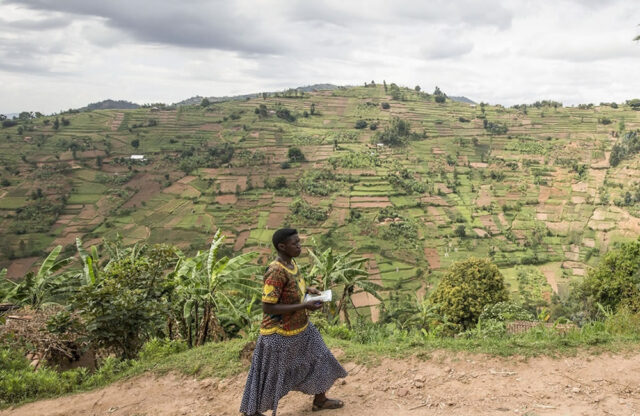
Rwanda is famously known as the “Land of a Thousand Hills,” and nowhere is this more evident than in the countryside. Villages are scattered across terraced hillsides where families cultivate bananas, beans, sweet potatoes, cassava, and sorghum. The terrain influences everything—from housing styles to farming techniques.

Terrace farming is common, especially in mountainous regions near Volcanoes National Park and Nyungwe Forest National Park. These carefully carved slopes prevent soil erosion and maximize limited land, reflecting the deep agricultural knowledge passed down through generations.

Cows hold special significance in rural Rwanda. In many communities, cattle are a symbol of wealth, pride, and social connection. The traditional long-horned Inyambo cattle are celebrated during ceremonies and cultural festivals, demonstrating the enduring bond between people and livestock.

Traditional homes and village structure

In rural areas, traditional homes—once primarily built with mud, wood, and thatched roofs—still stand alongside newer brick structures. Historically, Rwandan homes were circular, symbolizing unity and family cohesion. Today, rectangular houses are more common, yet the sense of shared community space remains strong.

Villages are typically organized around family compounds. Extended families often live close to one another, fostering daily interaction and mutual support. Community cooperation is deeply rooted in Rwandan culture. Practices like Umuganda—a monthly community work day—bring neighbors together to clean, build, and support communal development projects.

Farming as a way of life

Agriculture is the backbone of rural Rwanda. Most families depend on small-scale subsistence farming, rising at dawn to tend fields before the midday sun grows strong. The agricultural calendar dictates daily life, social events, and even school routines.

Coffee and tea are important cash crops. In regions near Lake Kivu, coffee washing stations dot the landscape, where farmers bring freshly harvested cherries to be processed. Visitors can observe traditional coffee preparation methods, from hand washing and drying to roasting beans over open fires.

Banana cultivation is equally significant—not only for food but also for brewing traditional banana beer, a drink commonly shared during ceremonies and celebrations.

Music, dance, and oral traditions

Cultural expression is vibrant in rural Rwanda. Traditional music and dance remain essential forms of storytelling and celebration. The energetic Intore dance, characterized by high jumps and rhythmic drumming, reflects Rwanda’s warrior heritage.

Drumming plays a central role in ceremonies. The Royal Drummers of Rwanda, whose traditions are preserved at cultural centers such as the King’s Palace Museum, demonstrate how music historically symbolized power and unity.

Storytelling is another cornerstone of rural life. Elders gather children in the evenings to share folktales, proverbs, and moral lessons. These oral traditions preserve history and reinforce values such as respect, bravery, and generosity.

Traditional crafts and skills

Craftsmanship thrives in rural communities. Women often weave colorful baskets known as Agaseke, which symbolize peace and friendship. These baskets have gained international recognition and are both practical household items and decorative art pieces.

Pottery, wood carving, and traditional medicine practices are also preserved in many villages. Visiting local cooperatives allows travelers to witness artisans at work and understand how cultural heritage is passed down through apprenticeship.

Food and communal meals

Meals in rural Rwanda are simple yet hearty. Staples include beans, plantains, cassava, maize, and leafy greens. Cooking is often done over wood-fired stoves, and food is shared communally, reinforcing social bonds.

A traditional meal may include Isombe (cassava leaves cooked with groundnuts) and grilled meat or fish, depending on the region. In areas close to Akagera National Park, fish from nearby lakes supplement agricultural produce.

Food preparation itself is a communal activity, particularly during weddings and harvest celebrations, where neighbors gather to contribute and celebrate together.

Spirituality and beliefs

While Christianity is widely practiced in Rwanda today, traditional beliefs still influence rural life. Respect for ancestors, belief in spiritual guidance, and rituals connected to harvests and life milestones remain part of cultural identity.

Churches are central gathering points in many villages, serving not only spiritual purposes but also social and community roles. Sunday services are vibrant occasions marked by singing and collective worship.

The role of women and youth

Women play a central role in rural households, balancing farming, childcare, craft-making, and market trade. Rwanda is widely recognized for empowering women in leadership, and this progress is reflected even in rural cooperatives and farming associations.

Young people in rural Rwanda navigate a balance between tradition and modernization. While many attend school and use mobile technology, they remain connected to family farming and cultural ceremonies, ensuring that traditions endure.

Responsible cultural tourism

Exploring traditional life in rural Rwanda requires sensitivity and respect. Community-based tourism initiatives allow visitors to stay in homesteads, participate in farming activities, and learn traditional cooking techniques without disrupting daily life.

Regions near Nyungwe Forest National Park and Lake Kivu offer immersive village experiences where tourism directly benefits local communities. By purchasing crafts, hiring local guides, and participating in organized cultural visits, travelers contribute to sustainable development.

A Living Heritage

Traditional life in rural Rwanda is not a museum display frozen in time. It is a living, evolving culture that blends heritage with progress. Solar panels may sit atop mud-brick homes, and smartphones may connect farmers to markets, yet communal values, storytelling, and respect for land remain central.

Conclusion

For first-time visitors, stepping into rural Rwanda offers something deeply meaningful: a chance to witness resilience, hospitality, and cultural pride rooted in centuries of tradition. It is in the quiet hills, shared meals, rhythmic drums, and open smiles that the true heart of Rwanda reveals itself.

How to Go Gorilla Trekking on Budget

0
Gorilla Trekking

How can I see Uganda Gorillas without spending much money? Currently, Ugandan gorilla permit cost US$800. It looks little money but to many travelers, the cost of a gorilla permit is too high because of many addition costs incurred on a gorilla safari. Apart from a gorilla permit, guests spend on flights, visas, ground transport, accommodation and guiding fees among other things.

For that case, the writer of this article is revealing methods of meeting Ugandan Mountain Gorillas at lower costs, see the discussion below:

  1. Target low season Travels – travelers who wants to save big should plan to travel in low season. Low seasons in Uganda include months of April, May, and November when Uganda receives fewer tourists. During this season, the owners of Lodges, Hotels and camps cut down the rates, car rentals also do the same plus other operators. If you save on transport, accommodation and park entry fees among others, the low total safari cost will enable trekkers go gorilla trekking cheaply.
  1. Book cheap accommodation – you can look for budget hotels, lodge or camp. Alternatively, you can hire full camping gear or come with yours if you find it cheaper.
  1. Self-drive is ideal – visit car rental companies to hire you a cheaper car. Self- drive saves you money that would been spent on driver. Ts easier to drive you from Entebbe Airport or from any other place to Bwindi Impenetrable National Park (BINP) or Mgahinga Gorilla National Park (MGIP).
  1. Join a group tour – if you travel in a group, the total safari cost for each traveler reduces because you share costs.
  1. Target gorilla permit promotion season – Keep in touch with the ground local tour operators to inform you when promotion season comes. Uganda discounted the gorilla permit from US$800 to US$600 for low season months of April, May and November for all bookings up to 31st June 2027.

In conclusion, all Uganda offers gorilla trekking in Bwindi Forest National Park and Mgahinga Gorilla National Park and the activity takes place on daily basis, all year round. In total, the number of habituated Gorilla families is 25 so, the number of Gorilla permits available total to 200.

An Encounter with the Virunga Gorillas

0
Gorilla Tour

Mountain gorilla are endangered apes that were on the verge of extinction in the 1990’s because of the civil wars where their natural habitats had been turned into fighting grounds and hiding places for soldiers.

After a lot of conservation efforts by the Rwandan government, the mountain gorilla population started increasing steadily and today Volcanoes National Park is a home to half of the total mountain gorilla population in the Virunga massif that extends from northwestern Rwanda, south western Uganda and southeastern DR Congo.

Mountain gorillas are some of human’s closest wild animals with over 98% of their DNA similar to humans. They prefer living in the forested mountain and are vegetarians that feed on plant leaves, shoots and wild fruits. They are mobile animals that move from one place to another as they look for fresh food ad for new places where they will spend a night.

The Volcanoes national park has a total of 14 habituated mountain gorilla families. Each mountain gorilla family is tracked by a group of strictly 8 tourists every day, which they spend with one hour as they observe, take photographs and learn more about the life of these greatly endangered apes.

Tourists going for gorilla tracking first assemble at the national park headquarters very early in the morning where the local traditional dancers entertain them as they take a cup of hot tea or coffee. They are allocated to the mountain gorilla family they will be tracking then briefed about the safety procedures to follow while in the forest. Some of the safety procedures include;

  • Following the guides instructions especially while in the forest
  • Keeping a reasonable distance a way from the mountain gorillas
  • Minimizing noise especially when in the presence of the mountain gorillas
  • Not using flash photography
  • Avoiding imitating the behavior of the mountain gorillas like beating the chest as it may send a wrong impression to the mountain gorillas.

After being briefed, the tourists are led to the forested mountains under the protection of two armed rangers. These carry guns they use to fire bullets to scare away other dangerous wild animals that could be encountered while tracking mountain gorillas.

A hike through the forested mountains is very exciting with views of other wildlife species in the Volcanoes National Park like birds.  The trek takes about 1 to 8 hours depending on the movement of the mountain gorillas. It’s a little hectic and a physically demanding activity however its always better for those who cannot hike for long distances to inform the guides or their tour operators early enough to ensure that they are allocated mountain gorilla families that can be got to after relatively shorter times of trek.

Alternatively there are porters for hire that can carry luggage and always help tourists to go move through the difficult parts of the forest. These porters can also carry some one on locally made stretchers up hill or down hill and can therefore be of great help in case their services are needed. They can be hired at about $10 to $15.

Mountain gorillas can be encountered at any time of the year however tracking can be more easy during the dry season because its always easy to move through the forests which may not be the case during the wet season. Tourists interested in mountain gorilla tracking should acquire permits that are sold at $750 each and can be obtained from the Rwanda development board or through a trusted tour operator.

The Volcanoes national park can be got to by road transport from Kigali a drive that takes about 2 to 3 hours.