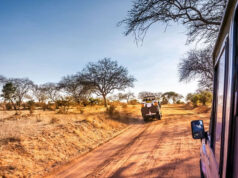
Planning a self-drive safari in Tanzania can be an exciting and rewarding experience, especially for travelers who enjoy independence and adventure. Instead of following a fixed tour plan, you have the chance to explore the country in your own way and at your own pace. Tanzania offers a wide range of landscapes, including national parks, mountains, villages, and coastal areas. Driving yourself allows you to discover these places more freely and spend more time where you feel most comfortable.
However, a successful self-drive trip requires some preparation and basic knowledge. Understanding the roads, rules, and local conditions can make your journey safer and more enjoyable. It is also important to plan your route, choose the right vehicle, and carry the necessary supplies. With the right approach, a self-drive safari in Tanzania can become one of the most memorable travel experiences you will ever have.
- Drive on the Left Side of the Road: In Tanzania, all vehicles drive on the left side of the road. This is very important to remember, especially if you are from a country where people drive on the right. It can feel confusing at first, especially when turning, joining traffic, or using roundabouts. Always stay alert and take your time. If you are not confident, practice in a quiet area before heading onto busy roads.
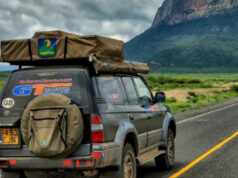
- A 4×4 Vehicle is the Best Choice: Tanzania has many unpaved and bumpy roads, especially in national parks and rural areas. A 4×4 (four-wheel drive) vehicle is the best type of car for self-driving. It can handle rough roads, mud, and hills. Small cars are cheaper but not good for most routes outside towns. A 4×4 gives you more safety, comfort, and freedom to explore places where normal cars cannot go.
- Road Conditions Can Be Rough: Roads in Tanzania can change quickly. Some highways are smooth and paved, but many roads in the countryside and in parks are gravel, rocky, or full of potholes. During the rainy season, these roads become muddy or flooded. Drive slowly and carefully. Avoid driving at night because it is hard to see, and there may be people, animals, or broken-down vehicles on the road.
- Download Offline Maps or Use a GPS: In some areas, mobile networks don’t work. To avoid getting lost, download offline maps before your trip using apps like Google Maps or Maps.me. A GPS device can also help you stay on track. Do not rely only on mobile data, especially when driving in remote areas. Keep a paper map as a backup, just in case your phone or GPS stops working.
- Fuel Stations Are Not Everywhere: You can find fuel stations in cities and big towns, but they are rare in small villages or national parks. Always fill up your tank before driving long distances. It’s also smart to carry a small jerry can of extra fuel, especially if you are visiting the Serengeti or southern Tanzania. Most fuel stations take cash, so carry Tanzanian shillings with you.
- Bring Your Driving License and International Permit: To drive in Tanzania, you need a valid driver’s license from your home country. Many rental companies also ask for an International Driving Permit (IDP), especially if your license is not in English. Bring both just to be safe. Keep your documents with you while driving, as police may ask to see them at checkpoints.
- Police Checkpoints Are Common: You will often pass through police checkpoints on main roads. This is normal in Tanzania. Police officers may ask to see your license, car papers, or insurance. Be calm and respectful. If your documents are in order, they will let you continue. Never offer bribes. If you are unsure about something, call your car rental company for help.
- Follow Speed Limits and Drive Safely: The speed limit in cities is usually 50 km/h, and on highways it is 80 to 100 km/h, unless a sign says otherwise. Watch out for speed bumps, especially near schools or villages. They are often unmarked and can damage your car if you go too fast. Driving slowly also helps you avoid accidents with animals, people, or potholes.
- Always Wear Your Seatbelt: In Tanzania, it is the law to wear a seat belt while driving. This is for your safety. Everyone in the car should wear one, not just the driver. If you are caught without a seat belt, you may have to pay a fine. Wearing your seat belt can save your life in case of an accident.
- Avoid Driving at Night: Driving at night in Tanzania is not safe. Roads may have no street lights, and you might not see people, animals, or broken vehicles on the road. Also, some areas may not be safe for tourists after dark. Try to finish your journey before sunset. Plan your route so you reach your destination during the day.
- Know Where You Are Allowed to Drive: Some rental companies do not allow you to take their cars into certain areas or across country borders. Ask your rental company where you are allowed to go. If you plan to visit a national park, ask if the car is park-approved. Driving into a restricted area may break the rules and void your insurance.
- Understand the Insurance Policy: Before you rent a car, ask about the insurance coverage. Most companies include basic insurance, but it may not cover damage to tires, windows, or the roof tent. You may need to pay extra for full coverage. Make sure you understand what is covered and what is not. This helps you avoid surprise costs if something goes wrong.
- Prepare for Wildlife Viewing: One of the best parts of self-driving in Tanzania is seeing wild animals. If you drive into a national park, follow all park rules. Never leave your car except at marked picnic sites. Stay at least 25 meters away from wild animals. Do not play loud music or disturb wildlife. Drive slowly and enjoy the experience without rushing.
- Carry Food, Water, and Supplies: In remote areas, shops and restaurants may not be available. Carry snacks, water, and basic supplies like tissues, hand sanitizer, and sunscreen. If you are camping, bring your own cooking gear and food. Even on short drives, it’s good to have a bottle of water and something to eat in case of delays or roadblocks.
- Pack an Emergency Kit: Things can go wrong on the road, even with a good car. Pack a small emergency kit with items like a flashlight, jumper cables, a first-aid kit, a tire repair kit, and a reflective triangle. Your rental company should give you a spare tire, jack, and tools make sure they are there before you leave the office.
- Respect Local People and Culture: Tanzanians are friendly and welcoming. Greet people with a smile and show respect to local customs. Drive slowly through villages and do not splash water on people or animals. Dress modestly and ask for permission before taking photos of people or homes. Respecting the local culture will make your trip more enjoyable and create good memories.
- Book Campsites or Lodges in Advance: If you plan to visit popular parks like Serengeti or Ngorongoro during the high season (June to October), book your accommodation in advance. Campsites and lodges get full quickly. Even for public campsites, it’s best to reserve early through TANAPA (Tanzania National Parks) or NCA (Ngorongoro Conservation Area) websites or agents.
- Keep Some Cash with You: While credit cards are accepted in some lodges and hotels, many fuel stations, shops, and small restaurants only take cash. Carry enough Tanzanian shillings for daily use. ATMs are available in big towns like Arusha, Moshi, or Dar es Salaam, but may not work in small villages. Keep your money safe and split it in different places in your bag or car.
- Check the Weather Before You Drive: Tanzania has two rainy seasons: the long rains (March to May) and short rains (November). During these times, roads can be slippery, and rivers may flood. Always check the weather forecast before starting your journey. If the weather looks bad, wait or choose a different route. Safety comes first.
- Stay in Touch with Your Rental Company: Most good rental companies offer 24/7 support. Keep their contact number saved in your phone. If you have a problem like a breakdown, flat tire, or accident, call them right away. They can guide you or send help. It’s also good to send them a message every few days to update them on your location.
Conclusion:
A self-drive safari in Tanzania can be a truly special experience when you plan well and stay prepared. It gives you the freedom to explore nature, enjoy wildlife, and travel at your own pace. By understanding the basics and staying careful on the road, you can avoid many common problems.
Always respect local rules, take your time, and be ready for changing conditions. Good preparation helps you feel more confident throughout the journey.
At the end, a self-drive safari is not just about reaching places, but about enjoying every moment along the way and creating lasting memories.