Beyond the modern skyline of Kigali lies a countryside shaped by rolling green hills, red-earth paths, and tightly knit communities. Rural Rwanda offers visitors a chance to step into a world where customs, storytelling, farming traditions, and communal values remain central to everyday life. Exploring traditional life on a Rwanda safari is not simply about observing culture but is about understanding a rhythm of living that has endured for generations.
The landscape that shapes life
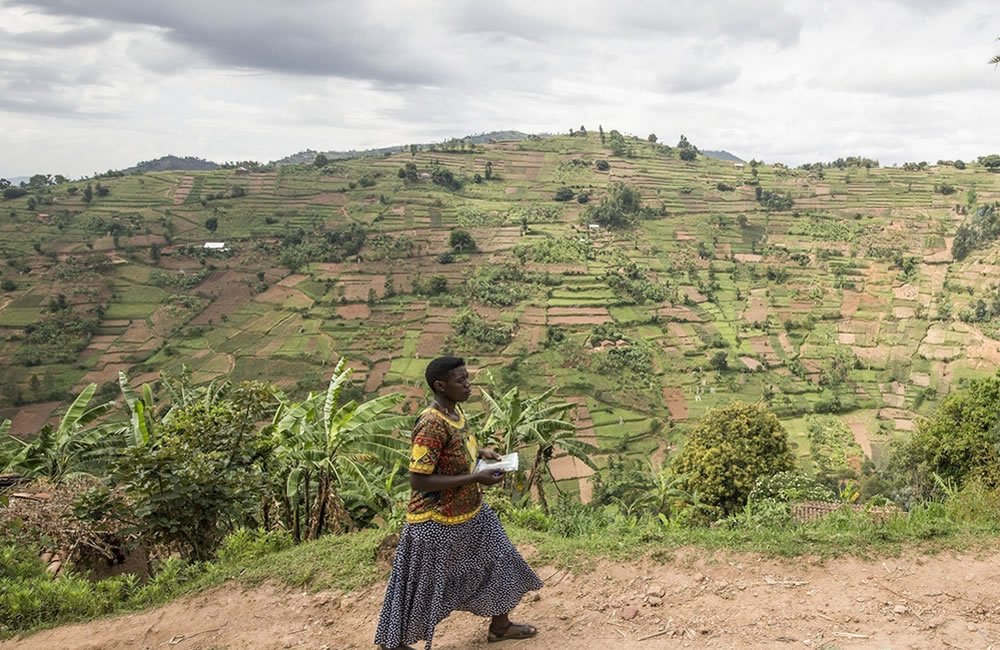
Rwanda is famously known as the “Land of a Thousand Hills,” and nowhere is this more evident than in the countryside. Villages are scattered across terraced hillsides where families cultivate bananas, beans, sweet potatoes, cassava, and sorghum. The terrain influences everything—from housing styles to farming techniques.
Terrace farming is common, especially in mountainous regions near Volcanoes National Park and Nyungwe Forest National Park. These carefully carved slopes prevent soil erosion and maximize limited land, reflecting the deep agricultural knowledge passed down through generations.
Cows hold special significance in rural Rwanda. In many communities, cattle are a symbol of wealth, pride, and social connection. The traditional long-horned Inyambo cattle are celebrated during ceremonies and cultural festivals, demonstrating the enduring bond between people and livestock.
Traditional homes and village structure
In rural areas, traditional homes—once primarily built with mud, wood, and thatched roofs—still stand alongside newer brick structures. Historically, Rwandan homes were circular, symbolizing unity and family cohesion. Today, rectangular houses are more common, yet the sense of shared community space remains strong.
Villages are typically organized around family compounds. Extended families often live close to one another, fostering daily interaction and mutual support. Community cooperation is deeply rooted in Rwandan culture. Practices like Umuganda—a monthly community work day—bring neighbors together to clean, build, and support communal development projects.
Farming as a way of life
Agriculture is the backbone of rural Rwanda. Most families depend on small-scale subsistence farming, rising at dawn to tend fields before the midday sun grows strong. The agricultural calendar dictates daily life, social events, and even school routines.
Coffee and tea are important cash crops. In regions near Lake Kivu, coffee washing stations dot the landscape, where farmers bring freshly harvested cherries to be processed. Visitors can observe traditional coffee preparation methods, from hand washing and drying to roasting beans over open fires.
Banana cultivation is equally significant—not only for food but also for brewing traditional banana beer, a drink commonly shared during ceremonies and celebrations.
Music, dance, and oral traditions
Cultural expression is vibrant in rural Rwanda. Traditional music and dance remain essential forms of storytelling and celebration. The energetic Intore dance, characterized by high jumps and rhythmic drumming, reflects Rwanda’s warrior heritage.
Drumming plays a central role in ceremonies. The Royal Drummers of Rwanda, whose traditions are preserved at cultural centers such as the King’s Palace Museum, demonstrate how music historically symbolized power and unity.
Storytelling is another cornerstone of rural life. Elders gather children in the evenings to share folktales, proverbs, and moral lessons. These oral traditions preserve history and reinforce values such as respect, bravery, and generosity.
Traditional crafts and skills
Craftsmanship thrives in rural communities. Women often weave colorful baskets known as Agaseke, which symbolize peace and friendship. These baskets have gained international recognition and are both practical household items and decorative art pieces.
Pottery, wood carving, and traditional medicine practices are also preserved in many villages. Visiting local cooperatives allows travelers to witness artisans at work and understand how cultural heritage is passed down through apprenticeship.
Food and communal meals
Meals in rural Rwanda are simple yet hearty. Staples include beans, plantains, cassava, maize, and leafy greens. Cooking is often done over wood-fired stoves, and food is shared communally, reinforcing social bonds.
A traditional meal may include Isombe (cassava leaves cooked with groundnuts) and grilled meat or fish, depending on the region. In areas close to Akagera National Park, fish from nearby lakes supplement agricultural produce.
Food preparation itself is a communal activity, particularly during weddings and harvest celebrations, where neighbors gather to contribute and celebrate together.
Spirituality and beliefs
While Christianity is widely practiced in Rwanda today, traditional beliefs still influence rural life. Respect for ancestors, belief in spiritual guidance, and rituals connected to harvests and life milestones remain part of cultural identity.
Churches are central gathering points in many villages, serving not only spiritual purposes but also social and community roles. Sunday services are vibrant occasions marked by singing and collective worship.
The role of women and youth
Women play a central role in rural households, balancing farming, childcare, craft-making, and market trade. Rwanda is widely recognized for empowering women in leadership, and this progress is reflected even in rural cooperatives and farming associations.
Young people in rural Rwanda navigate a balance between tradition and modernization. While many attend school and use mobile technology, they remain connected to family farming and cultural ceremonies, ensuring that traditions endure.
Responsible cultural tourism
Exploring traditional life in rural Rwanda requires sensitivity and respect. Community-based tourism initiatives allow visitors to stay in homesteads, participate in farming activities, and learn traditional cooking techniques without disrupting daily life.
Regions near Nyungwe Forest National Park and Lake Kivu offer immersive village experiences where tourism directly benefits local communities. By purchasing crafts, hiring local guides, and participating in organized cultural visits, travelers contribute to sustainable development.
A Living Heritage
Traditional life in rural Rwanda is not a museum display frozen in time. It is a living, evolving culture that blends heritage with progress. Solar panels may sit atop mud-brick homes, and smartphones may connect farmers to markets, yet communal values, storytelling, and respect for land remain central.
Conclusion
For first-time visitors, stepping into rural Rwanda offers something deeply meaningful: a chance to witness resilience, hospitality, and cultural pride rooted in centuries of tradition. It is in the quiet hills, shared meals, rhythmic drums, and open smiles that the true heart of Rwanda reveals itself.