Home Blog Page 3

Are East African Countries Safe for Female Travelers?

0
East Africa Tourism

East Africa is renowned for its stunning landscapes and rich cultural heritage. From the breathtaking Serengeti plains in Tanzania to the enchanting mountains of Uganda and the unspoiled beaches along Kenya’s coast, there is an abundance of exploration opportunities. However, for women travelers, safety remains a paramount concern.

Whether embarking on a solo adventure, traveling with companions, or participating in a group tour, gaining insight into the safety of East Africa for women can enhance your confidence and preparedness. The concise answer is affirmative—East African nations are generally safe for female travelers, particularly for those who take the time to understand local customs, remain vigilant, and apply common sense. Countries such as Kenya, Uganda, Tanzania, and Rwanda attract thousands of female tourists annually, many of whom enjoy positive and secure experiences, especially when they travel wisely and stay informed.

This guide will delve into the safety considerations for women traveling in East Africa, offering country-specific advice, real-life examples, safety recommendations, and strategies to ensure a pleasant and worry-free journey.

Safety Overview by Country

Uganda: Referred to as the ‘Pearl of Africa,’ Uganda is a hospitable and inviting location. Women travelers frequently commend the friendliness of the locals. In Kampala, the capital, as well as in other significant urban areas, it is advisable to refrain from walking alone after dark or displaying valuable items. The countryside, particularly national parks such as Bwindi and Queen Elizabeth, tends to be tranquil. Engaging a local guide or participating in a safari organized by a reputable company like Primate Safaris enhances both safety and comfort.

Kenya: Kenya is renowned for the Maasai Mara, Nairobi National Park, and its picturesque beaches. Although Nairobi is lively and thrilling, certain areas may be less secure at night. Coastal cities such as Mombasa and Diani offer a more laid-back and tourist-friendly atmosphere. For female travellers, it is advisable to dress modestly in public areas and to utilize registered transportation services, such as Uber or taxis arranged through hotels.

Tanzania: Tanzania, known for Mount Kilimanjaro and Zanzibar Island, is a popular destination for nature enthusiasts. The country is typically safe, particularly in areas frequented by tourists. Dar es Salaam is a bustling city where it is important to exercise caution. In contrast, Zanzibar offers a relaxed atmosphere, though modest attire is encouraged in consideration of the island’s Muslim culture. Demonstrating respect for local traditions and maintaining politeness can significantly enhance interactions with residents.

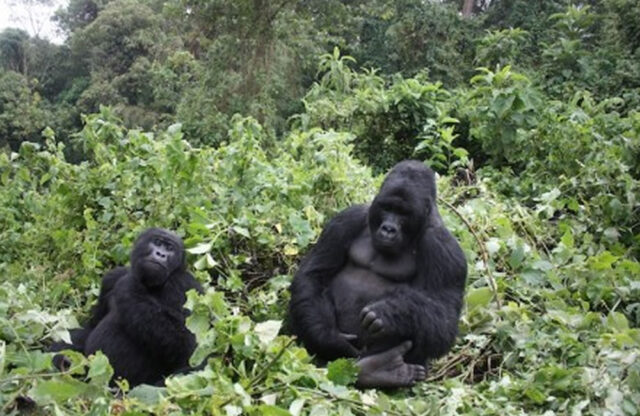
Rwanda: Rwanda stands out as one of the cleanest and safest nations in Africa. The capital city, Kigali, is notably secure and well-monitored by law enforcement. Additionally, Rwanda excels in gender equality, with over 60% of its parliamentary seats held by women. Numerous solo female travelers have shared their experiences of feeling safe, respected, and supported during their stay. One of the premier activities is gorilla trekking in Volcanoes National Park, which is highly organized and secure.

Common Safety Concerns for Female Travelers

Street Harassment: Instances of cat-calling and unsolicited attention can occur, particularly in densely populated urban areas or marketplaces. Adopting modest attire may mitigate this issue. Additionally, maintaining a self-assured demeanor and disregarding inappropriate remarks tends to be the most effective approach.

Petty Theft: As is the case in numerous regions globally, pick-pocketing may take place in public transportation or crowded streets. It is advisable to store valuables in a money belt or a secure cross-body bag.

Solo Night Travel: It is advisable to refrain from walking alone during night-time. Utilize reputable transportation services or request your lodging to organize transfers.

Health and Hygiene: It is advisable to carry feminine hygiene products, hand sanitizer, and essential medications, as certain items may be difficult to obtain in remote locations.

Accommodation Safety: Select accommodations such as hotels, lodges, or hostels that have positive reviews and robust security measures. Numerous establishments provide female-only dormitories or private rooms.

 Real Female Traveler Experiences

Laura, a traveler from the United States, embarked on a solo journey to Uganda where she participated in a gorilla trekking tour organized by Primate Safaris. She expressed, ‘I felt entirely secure throughout my travels. The guides were highly professional and attentive to everyone’s safety. Even in the bustling city of Kampala, the locals were both helpful and welcoming.’

Amelia, hailing from the UK, dedicated a month to discovering Tanzania. She described Zanzibar as a dreamlike experience, where she ventured out alone during the day, donning a long dress to show respect for the local culture. The residents acknowledged her efforts, and she encountered numerous gracious women who offered her advice and guidance.

Chloe, hailing from Australia, traveled to Rwanda for a cultural experience. She remarked, ‘Kigali was exceptionally clean and tranquil. I utilized moto-taxis throughout the day and felt completely safe. I even formed friendships with local women who graciously invited me to participate in a community cooking class!’

Smart Tips for a Safe and Enjoyable Trip

Dress Modestly: In metropolitan and traditional regions, it is advisable to cover your shoulders and knees. For warm weather, opt for loose-fitting and breathable garments.

Stay Connected: Obtain a local SIM card or mobile Wi-Fi device to access maps and reach out for assistance if necessary.

Use Local Knowledge: Inquire with hotel personnel or tour guides regarding safety recommendations on destinations to visit and areas to avoid.

Travel in Daylight: Reach your destinations during daylight hours, particularly when visiting unfamiliar locations.

Join a Group Tour: For those who prefer not to travel alone, group safaris or excursions organized by Primate Safari Experiences provide both safety and camaraderie.

Emergency Numbers: Familiarize yourself with local emergency contact numbers for police, medical assistance, and embassy services.

Listen to Your Gut: If you find yourself in an uncomfortable situation, do not hesitate to excuse yourself or seek assistance.

Making Friends and Building Connections

Traveling as a woman in East Africa does not imply solitude. Women in this region are typically warm and supportive. Numerous travellers engage in local community initiatives, cultural activities, or women’s organizations.

Participate in craft-making workshops in Uganda, culinary classes in Kenya, or coffee tours in Rwanda. These experiences are not only enjoyable but also provide opportunities to learn, engage, and exchange stories with local women.

Participating in a women-exclusive travel group or retreat is an excellent option. Certain safari companies offer tours that are led by women or specifically designed for women, ensuring a more comfortable experience for female travellers.

 Best Activities for Female Travelers in East Africa

  • Gorilla trekking in Uganda and Rwanda
  • Wildlife safaris in Kenya’s Maasai Mara or Tanzania’s Serengeti
  • Beach escapes in Zanzibar or Lamu
  • Mountain hiking on Mount Kilimanjaro or Mount Elgon
  • Cultural village tours and women-led cooperatives
  • Visiting museums, genocide memorials, and historical sites
  • Community volunteering or eco-tourism projects

These activities are typically quite secure and are organized in a professional manner. Engaging with a reputable tour operator such as Primate Safaris guarantees that you will receive a dependable guide and assistance throughout your journey.

 Final Thoughts

Indeed, with proper preparation, cultural awareness, and respect for local customs, East Africa presents an extraordinary and transformative experience for female travelers. The region boasts warm hospitality, captivating wildlife, vibrant markets, and breathtaking scenery, catering to the desires of any adventurous traveler.

Safety involves being knowledgeable, vigilant, and adept at maneuvering through various settings. Regardless of whether you prefer to travel alone, with friends, or as part of a group, East Africa embraces women wholeheartedly.

Engaging with seasoned operators such as Primate Safaris provides an additional level of assistance, comfort, and security. Their team is well-versed in the requirements of international travelers, guaranteeing that each trip is both pleasurable and safe.

Prepare your luggage, embrace your inquisitiveness, and gear up to confidently and joyfully discover East Africa. An exciting adventure awaits you, and it is truly worthwhile!

Conditions for Hiring a Self-Drive Car in East Africa

0
Car Rental Contract

Self-drive car rentals are becoming increasingly popular in East Africa, offering tourists and locals the flexibility to explore at their own pace. However, renting a self-drive car in East Africa involves various conditions and requirements that potential renters must meet. These conditions can vary slightly from one country to another, but there are commonalities across the region. This guide provides an in-depth look into the general conditions for hiring a self-drive car in East Africa, focusing on countries like Kenya, Tanzania, Uganda, and Rwanda.

  1. Driver’s License Requirements

To hire a self-drive car in East Africa, you must have a valid driver’s license. The specifics include:

  • Local Driver’s License: For East African residents, a local driver’s license is sufficient.
  • International Driver’s Permit (IDP): For foreign tourists, an International Driver’s Permit, along with your home country’s license, is typically required. The IDP translates your license into multiple languages and is recognized internationally.
  • Minimum Driving Experience: Most rental companies require drivers to have a minimum of 5 years & above of driving experience.
  1. Age Requirements

Age restrictions are another important condition:

  • Minimum Age: The minimum age for renting a car is usually 23 years old. However, some companies may set it at 25.
  • Maximum Age: There is often an upper age limit, typically around 70 years, but this can vary.
  1. Identification and Documentation

To rent a car, you will need to provide:

  • Passport: A valid passport for identification.
  • Visa: Proof of entry into the country, usually a tourist visa or any other valid entry document.
  • Proof of Residence: For local residents, proof of residence such as a utility bill or a lease agreement might be required.
  1. Security Deposit

A security deposit is a standard requirement:

  • Credit Card Hold: Most rental companies place a hold on your credit card as a security deposit. This can range from $500 to $1,500 depending on the type of vehicle.
  • Cash Deposit: Some companies accept a cash deposit, but this is less common and might require prior arrangement.
  1. Insurance Requirements

Insurance is crucial for renting a car:

  • Comprehensive Insurance: Rental companies provide basic comprehensive insurance that covers damage to the car, theft, and third-party liability. However, this often comes with a high deductible.
  • Collision Damage Waiver (CDW): Renters can opt for a CDW to reduce their liability in case of an accident. This is usually an additional daily fee.
  • Personal Accident Insurance: Optional insurance that covers medical expenses for the driver and passengers in case of an accident.
  1. Rental Agreement

The rental agreement outlines the terms and conditions of the rental:

  • Rental Duration: Clearly defined rental period, including start and end dates and times.
  • Mileage Limit: Some rentals include unlimited mileage, while others may have a daily mileage limit with additional charges for extra miles.
  • Fuel Policy: The car is typically provided with a full tank of fuel and should be returned with a full tank. Alternatively, some companies might charge for the fuel used.
  1. Vehicle Condition and Inspection

Before taking possession of the car:

  • Vehicle Inspection: A thorough inspection of the car for any pre-existing damages is conducted, and a checklist is filled out.
  • Documentation: Photos or videos of the car’s condition might be taken as proof.
  1. Additional Drivers

If there will be more than one driver:

  • Additional Driver Fee: Some companies charge an extra fee for each additional driver.
  • Driver’s License: All additional drivers must present their valid driver’s licenses and meet the same age and experience requirements.
  1. Driving Restrictions

There are specific driving restrictions to be aware of:

  • Geographical Limits: Some rentals may restrict driving to certain areas or prohibit crossing international borders.
  • Road Conditions: Certain vehicles might not be allowed on unpaved roads. Breaking this rule can result in voiding the insurance coverage.
  • Traffic Laws: Renters must adhere to all local traffic laws, including speed limits, seatbelt usage, and the prohibition of driving under the influence of alcohol or drugs.
  1. Emergency Procedures

Understanding the protocol in case of an emergency:

  • Contact Information: The rental company provides contact details for roadside assistance.
  • Accident Protocol: Procedures to follow in the event of an accident, including contacting the police and the rental company immediately.
  1. Vehicle Return

The conditions for returning the vehicle include:

  • Return Location: The car must be returned to the agreed-upon location, which might be different from the pickup point in some cases.
  • Inspection: Another inspection is conducted to check for any new damages or issues.
  • Late Return Fees: Returning the car late can incur additional charges.
  1. Payment Terms

The payment conditions include:

  • Advance Payment: Some companies require full payment upfront, while others might allow partial payment with the balance due on return.
  • Accepted Payment Methods: Credit cards are widely accepted, while cash payments might require additional verification.

COUNTRY-SPECIFIC CONDITIONS

While the general conditions mentioned above apply broadly across East Africa, there are specific nuances in different countries:

Kenya

  • Road Quality: Roads can range from well-maintained highways to rough rural tracks. A 4×4 vehicle is recommended for rural areas.
  • Wildlife Areas: Special permits may be required for driving within national parks and reserves.

Tanzania

  • Safari Vehicles: Many tourists rent 4×4 vehicles specifically equipped for safaris, which might include pop-up roofs and additional insurance.
  • Traffic Police: Frequent roadblocks and police checks are common, so having all documentation handy is important.

Uganda

  • Terrain: The terrain can be challenging with many unpaved roads. Renting a land cruiser 4×4 vehicle is advisable.
  • Permits: Special permits might be required for driving in certain areas, especially near wildlife reserves.

Rwanda

  • Compact Size: Rwanda’s smaller size and better road infrastructure make it relatively easier to navigate, even with a standard vehicle.
  • Gorilla Trekking Areas: Specific permits and restrictions apply when driving to gorilla trekking areas.

Conclusion

Renting a car for self drive in East Africa can be a rewarding experience, offering the freedom to explore the diverse landscapes and cultural attractions at your own pace. By understanding and adhering to the conditions outlined above, you can ensure a smooth and enjoyable rental experience. Always check the specific requirements of the rental company and the country you are visiting, and take the necessary precautions to stay safe and legal on the road.

Kid-Friendly Activities or Educational Experiences in East Africa

0
Family Safari in Uganda

East Africa is renowned not only for its stunning landscapes, diverse wildlife, and rich cultural heritage but also for a plethora of activities and educational experiences that cater to young travelers.

Regardless of whether you are accompanied by toddlers, school-aged children, or teenagers, East Africa presents a wide range of activities designed to ignite curiosity, offer practical learning experiences, and forge lasting memories for children of all ages. From captivating wildlife safaris to enriching cultural encounters, this guide highlights some of the finest kid-friendly activities and educational opportunities available in East Africa.

Wildlife Safaris with a Learning Twist

A primary draw for families visiting East Africa is the opportunity to partake in wildlife safaris. However, these safaris extend beyond merely viewing the Big Five or watching animals in their natural surroundings. Numerous safari lodges and parks provide educational initiatives and hands-on activities aimed at involving children in understanding the environment, conservation efforts, and wildlife.

Junior Ranger Programs: In various parks, including Kenya’s Maasai Mara, Tanzania’s Serengeti, and Uganda’s Queen Elizabeth National Park, numerous lodges provide Junior Ranger programs. These initiatives aim to educate children about the ecosystem, animal tracking, and conservation efforts in an enjoyable manner. Young participants can partake in wildlife tracking, join nature walks, and understand the significance of safeguarding endangered species such as rhinos and elephants.

Educational Game Drives: Numerous safari guides customize the experience for younger adventurers. Rather than a conventional game drive, certain parks provide interactive excursions that allow children to pose questions, recognize animals, and gain insights into the behaviours and habitats of various species. This approach offers an outstanding opportunity for children to engage with the wildlife they observe while acquiring knowledge about conservation.

Gorilla Trekking in Uganda and Rwanda

For families with older children, gorilla trekking offers one of the most enriching educational experiences in East Africa. Navigating through the jungles of Uganda’s Bwindi Impenetrable Forest or Rwanda’s Volcanoes National Park provides a transformative experience, particularly for children with a keen interest in wildlife.

Learning About Gorillas: Prior to the expedition, children are briefed by park rangers on the significance of gorilla conservation and the species’ historical background. Throughout the trek, families have the opportunity to closely observe these magnificent animals while gaining insights into their social dynamics, behaviours, and the threats they face.

Gorilla Conservation Talks:

Alongside the gorilla trekking experience, local rangers and guides provide informative discussions regarding the initiatives undertaken to safeguard gorillas and their natural environment. This presents a distinctive opportunity for children to gain insights into wildlife conservation and the influence of tourism on the preservation of endangered species.

Visit to Local Villages and Cultural Immersion

The region of East Africa boasts a rich tapestry of cultures, with numerous communities providing educational opportunities for families. Engaging with local villages or taking part in cultural activities can enhance children’s comprehension of the local populace, their traditions, and lifestyles.

Maasai Village Visit (Kenya and Tanzania): The Maasai are among the most renowned tribes in East Africa. Families have the opportunity to visit a Maasai village in Kenya’s Maasai Mara or Tanzania’s Ngorongoro Crater to gain insights into Maasai culture, which encompasses their traditional attire, cuisine, and lifestyle. Children can engage in activities such as creating beadwork, dancing alongside the Maasai, or acquiring knowledge of the language. This interactive experience provides an educational glimpse into the ancient traditions of the Maasai while ensuring enjoyment.

Swahili Culture in Zanzibar (Tanzania): Zanzibar, renowned for its vibrant Swahili culture, provides numerous cultural experiences for families. Children have the opportunity to visit spice farms to discover the history of the spice trade and the significance of spices in Swahili cuisine. As they stroll through Stone Town, they can delve into the historical aspects of the old town, gaining insights into the island’s Arabian and African heritage as well as its involvement in the slave trade.

Nature and Conservation Centres

Alongside safaris, East Africa boasts numerous conservation centres and nature reserves that offer interactive educational opportunities for children. These facilities are dedicated to fostering awareness regarding environmental challenges and the significance of safeguarding the region’s natural heritage.

David Sheldrick Wildlife Trust (Kenya): This elephant orphanage located in Nairobi provides families with an opportunity to gain insight into the conservation initiatives aimed at safeguarding elephants. Children can observe the young elephants being fed and engaging in playful activities in the mud, while also learning about the rescue and rehabilitation efforts. This presents an excellent chance for children to comprehend the challenges posed by poaching and the significance of wildlife conservation.

Ngamba Island Chimpanzee Sanctuary (Uganda): Situated on Lake Victoria, Ngamba Island serves as a sanctuary for more than 40 orphaned chimpanzees. Families are welcome to explore the facility and gain insights into the rehabilitation and conservation efforts for these chimpanzees, many of whom were saved from the illegal pet trade. This experience offers children a direct opportunity to understand how human actions can contribute to the protection of endangered primates and their habitats.

Educational Museums and Historical Sites

For families with an interest in history and culture, East Africa boasts a wealth of museums and historical sites that deliver educational opportunities for children. These venues present an engaging method for youngsters to explore the region’s history, spanning from ancient civilizations to the colonial period.

National Museums of Kenya (Nairobi): The National Museums present a variety of exhibitions that encompass subjects including archaeology, paleontology, and ethnography. Young visitors have the opportunity to investigate displays featuring dinosaur fossils, the evolution of ancient humans, and gain insights into the diverse ethnic communities of Kenya.

The Slave Trade History in Zanzibar (Tanzania): A visit to the Zanzibar Slave Market Museum provides children with an opportunity to explore the somber history of the slave trade that occurred on the island. This museum presents an educational and thought-provoking experience, enhancing children’s comprehension of Africa’s historical context and the significance of human rights.

Beach and Water-Based Learning Activities

The coastline of East Africa presents numerous opportunities for water-related educational activities, providing both relaxation and knowledge for children. Various coastal locations host beach clean-up initiatives, marine conservation discussions, and snorkelling excursions that are enjoyable as well as informative.

Marine Life Education (Kenya and Tanzania): At the beaches of Diani or Zanzibar, children have the opportunity to participate in guided snorkelling excursions, where they can gain knowledge about marine ecosystems, coral reefs, and the importance of marine life conservation. Additionally, certain resorts provide children’s clubs that educate young ones about oceanic life through interactive games and activities.

Mombasa Marine Park (Kenya): Embark on a glass-bottom boat excursion to discover the coral reefs of Mombasa Marine Park, providing children with the opportunity to learn about the rich marine biodiversity, including sea turtles and tropical fish. This experience serves as an excellent means for young ones to witness the significance of ocean conservation and the various species that reside within it.

For energetic children who relish outdoor activities, trekking and hiking in East Africa present outstanding opportunities to gain knowledge about nature, wildlife, and the environment. Educational treks on Mount Kilimanjaro and Mount Kenya allow families to explore the rich diversity of flora and fauna, understand the impacts of climate change, and examine how various ecosystems are influenced by human actions.

Conclusion

East Africa presents a wealth of engaging activities and educational opportunities designed to spark children’s curiosity and enhance their comprehension of the surrounding world. From wildlife conservation education to cultural immersion and historical exploration, the region provides a distinctive combination of adventure and learning for young explorers. Activities such as safaris, gorilla trekking, visits to cultural villages, and marine conservation initiatives ensure that families with children of all ages have a memorable and enriching experience.

Are you interested in organizing a family-oriented educational tour with Primate Safari Experiences to discover these engaging activities? They excel in creating tailored itineraries that guarantee enjoyment and education for the entire family.

Guide to Climbing Mount Kilimanjaro

0
Mount Kilimanjaro

Mount Kilimanjaro National Park history dates back from the early 1900’s.
The area had been established as a game reserve in the early 1990’s and as a forest in 1921.

Kilamanjaro National Park was officially opened for tourism in 1977, and in 1989 it was declared as World Heritage site by the World Heritage Convention.

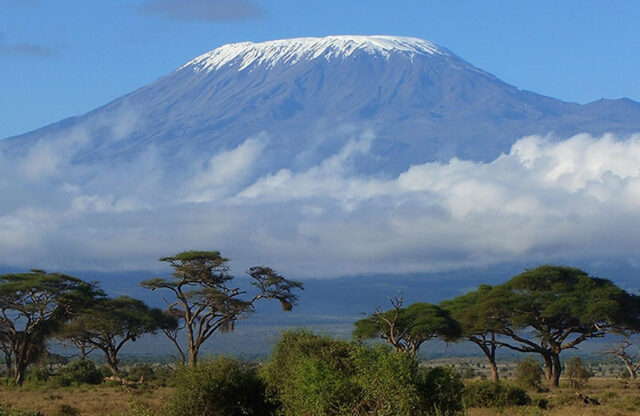
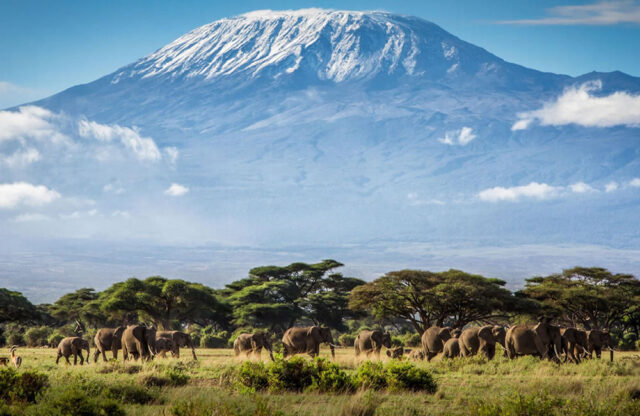
Kilimanjaro is one of the most adorable topographical features in Africa. It lies right on the border between Kenya and Tanzania. This Mountain has a splendid view enhanced by the snow cap on its very peak. You will see different vegetation types as you ascend towards the peak, including the famous bamboo forest. The different types of vegetation thrive well because Kilimanjaro is a volcanic mountain and therefore the plants enjoy an abundant supply of soil minerals.

You can plan a tour to climb Kilimanjaro as you visit some other scenery in both countries neighboring it. There are very ideal tourist sites just close by, but hey, they real deal is climbing Mt Kilimanjaro.

Climbing Kilimanjaro is fun! There are six routes that tourists use to climb to the summit. The good news is that no special equipment or techniques are required to undertake this adventurous climb. You will not need supplemental oxygen either. Just a week of keeping fit and training four endurance is necessary as it serves as both a biological and psychological perquisite. Well, if you are prepared to have fun, you are likely to enjoy more than someone who isn’t prepared. A climb to Mt Kilimanjaro is very manageable and will take only a week or two, depending on how determined you are to get to the peak. Yes, you have to be determined.

Unlike in the case of mountains in the western hemisphere, solo expeditions are not allowed on Kilimanjaro. Aspiring climbers are also expected to pay some fees and subscribe to the relevant local regulations which seem quite restrictive, honestly. Otherwise that is the only drawback, but it has its benefits since this is all done to balance the welfare of the site’s authorities and those of tourists. In return to adhering to the regulations, you acquire security and safety. The Mt receives about 20,000 to 35,050 climbers attempting to take the climbing challenge every year. Most of them are foreigners from the UK, US and other parts of the world.

There are some hardships and discomforts that climbers might experience. For instance, an individual might suffer from acute mountain sickness due to altitude. These challenges can be easily overcome through timely and effective communication together with working together with the other members of your team. Otherwise the whole expedition is fun filled, since you can even go skiing at altitudes of about 2,000 meters above sea level, which gives most people an optimal thrill of excitement. However, the temperatures here go as low as -15 degrees Celsius.

If you want to climb Mount Kilimanjaro in Tanzania, Africa’s highest peak, now is a good time to start planning your ascent. September marks the start of peak climbing season. Contact Expedition organizers for information on climbing Mt Kilimanjaro as a starting point to planning your trip to Kilimanjaro.

Preparing for Kilimanjaro and Gorilla Trek

0
Kilimanjaro Mountain Trek

The most exciting thing that can happen in East Africa is to climb Mount Kilimanjaro and then go on a gorilla hiking trip in Rwanda or Uganda. But for this dream Kilimanjaro trip to happen, you need more than just a desire to travel. You need to be physically fit, mentally ready, and well-prepared.

We’ll talk about how fit you need to be, how to train for both treks, what to bring, and how to do well on the mountain and in the jungle in this book.

Understanding the Physical Demands of the Combo Trip

Climbing Mount Kilimanjaro

Though not a technical climb, Kilimanjaro is a high-altitude trek that can be physically and mentally taxing. You’ll spend 6–9 days hiking 5–8 hours per day, culminating in a challenging summit night that can last 12–15 hours.

Key Challenges:

  • Altitude sickness
  • Steep elevation gains
  • Cold temperatures at night
  • Fatigue over consecutive trekking days

Gorilla Trekking in Rwanda or Uganda

Gorilla trekking typically lasts 2 to 6 hours, depending on the location of the gorilla family. The terrain is uneven, often muddy, and involves steep hills, dense forests, and hot humid weather.

Key Challenges:

  • Slippery trails
  • Hiking through thick vegetation
  • Sudden rain showers
  • High elevation (1,200–3,000 meters)

How to Train for Kilimanjaro and Gorilla Trekking

Begin your training at least 8–12 weeks before your departure. Focus on building endurance, strength, flexibility, and cardiovascular health.

  1. Hiking with a Backpack
  • Aim for 2–3 hikes per week.
  • Use a loaded daypack (15–20 lbs) to simulate trail conditions.
  • Include elevation gains to mimic Kilimanjaro’s slopes.
  1. Cardiovascular Conditioning
  • Engage in brisk walking, jogging, swimming, or cycling for 30–60 minutes, 3–5 times per week.
  • Include interval training to boost stamina and lung capacity.
  1. Leg & Core Strengthening

Strong legs and core muscles will help you navigate uneven terrain and steep trails.

  • Exercises to include:
    • Squats, lunges, and step-ups
    • Planks and leg raises
    • Stair climbing or treadmill incline walking
  1. Altitude Acclimatization (Optional)

If possible, spend time at high altitude before the trip or consider training with a hypoxic mask.

Mental Preparation and Recovery Tips

Mental resilience is just as crucial as physical fitness.

Build Mental Stamina

  • Practice mindfulness or meditation to handle discomfort.
  • Do long hikes in uncomfortable weather to simulate real trail conditions.

Rest and Recovery

  • Rest days are vital during training.
  • Incorporate stretching or yoga to maintain flexibility.
  • Stay hydrated and eat a balanced diet rich in proteins and complex carbs.

Packing Smart for Dual Terrain

Since you’re tackling both a cold mountain and a warm rain forest, packing the right gear is key.

Must-Have Gear for Kilimanjaro

  • Base layers, fleece, and down jacket
  • Waterproof outer shell
  • Thermal gloves, socks, and hat
  • Hiking boots (well broken in)
  • Headlamp and trekking poles

Must-Have Gear for Gorilla Trekking

  • Lightweight long-sleeved clothing
  • Waterproof hiking boots with good grip
  • Gaiters, gloves, and rain jacket
  • Insect repellent and sunscreen

Shared Essentials

  • Daypack with hydration system
  • First-aid kit with altitude and anti-inflammatory meds
  • Energy bars/snacks
  • Reusable water bottle or hydration bladder

Pro Tip: Use layering for versatility and pack lightweight, moisture-wicking clothing that dries fast and keeps you comfortable in both climates.

Final Preparation Checklist

✔ Start training at least 2–3 months in advance
✔ Book Kilimanjaro and gorilla permits early
✔ Invest in high-quality, broken-in hiking gear
✔ Check vaccination and visa requirements
✔ Purchase comprehensive travel insurance (including emergency evacuation)
✔ Acclimate to higher altitudes if possible
✔ Hire experienced, eco-conscious local tour operators

A Life-Changing Experience Awaits

Few people will ever forget the trip they took to see mountain gorillas in the “Roof of Africa” and the misty jungles of East Africa. How to get the most out of it? Get your body ready, get your gear ready, and be ready for the task.

If you get ready and have the right attitude, you can not only climb Kilimanjaro, but you can also meet some of the world’s most beautiful primates and make experiences that will last a lifetime.

Renting a Car For the First Time in Tanzania

0
Tanzania Self Drive

Renting a car in Tanzania is a great way to explore the country at your own pace. Whether you are visiting national parks, going on a road trip, or just moving between cities, having your own vehicle gives you freedom and flexibility.

Tanzania has many beautiful places that are best reached by road, and renting a car allows you to enjoy the journey on your terms. However, before you rent a car in Tanzania, it is important to understand a few key things. Different trips require different vehicles, and there are many rental companies with different rules and prices. You also need to think about safety, road conditions, insurance, and fuel policies. Making the right choices before and during your rental will help you avoid problems and enjoy your trip. This guide explains all the important points to consider when renting a car in Tanzania in a simple and clear way. 

What To Consider When Renting a Car?

  1. Purpose of the Trip: The first thing to think about is the purpose of your trip. If you plan to stay in cities like Arusha, Dar es Salaam, or Moshi, you may only need a small car. But if you want to visit national parks or drive through rural areas, you need a strong 4×4 vehicle that can handle rough roads. The type of trip you are taking will help determine the best kind of car to rent.
  2. Type of Vehicle: The kind of car you choose is very important. A small car is good for city travel, while a 4×4 vehicle is better for safaris or trips to places with dirt roads. In Tanzania, many travellers use Land Cruisers for national parks because they are reliable and strong. If you plan to camp, a car with a rooftop tent can be helpful.
  3. Number of People and Luggage: Think about how many people are traveling with you and how much luggage you will carry. If you are alone or with one other person, a small car may be fine. But if you are with a group or family, you need a bigger vehicle with enough space. Make sure there is enough room for everyone and everything.
  4. Rental Duration: How long you need the car will also affect your decision. Rental companies charge per day, but some offer discounts for weekly or monthly rentals. If you know how many days you need the car, you can compare prices and choose the best deal. Planning your trip well helps you avoid paying for extra days you don’t need.
  5. Rental Cost: What’s Included Always check what is included in the rental cost. Some companies offer a low price but add extra charges later for things like insurance or taxes. Others may include everything in one price. Ask for a full price breakdown to understand what you are paying for and to avoid hidden fees.
  6. Insurance Options: Insurance is very important when renting a car. Most rental companies provide basic insurance, but you can pay more for better coverage. Extra insurance can protect you if the car is damaged or stolen. Make sure you understand what the insurance covers and consider getting extra protection for peace of mind.
  7. Fuel Policy: Check the fuel policy before you take the car. Most companies give you a full tank and expect you to return it full. This is called a full-to-full policy. Some may charge you for fuel at a higher rate. To avoid paying more, it’s better to refill the tank yourself before returning the car.
  8. Mileage Limits: Some rental companies allow unlimited mileage, which means you can drive as far as you want. Others have a daily limit and charge extra if you go over. If you plan to drive long distances in Tanzania, unlimited mileage can save you money. Always ask about mileage rules before booking.
  9. Extra Drivers: If more than one person will drive the car, tell the rental company. Some companies charge a small fee for extra drivers. All drivers must have valid licenses, and they should be listed in the rental agreement. This helps make sure insurance is valid if anything happens.
  10. Driving License and Requirements: To rent a car in Tanzania, you need a valid driving license. If your license is not in English, it is a good idea to bring an International Driving Permit. Make sure your license is still valid and bring it with you when you pick up the car. The rental company may also ask for a copy of your passport.
  11. Driving Conditions in Tanzania: Driving in Tanzania can be different from what you are used to. People drive on the left side of the road, and some roads are not in good condition. You may find potholes, animals crossing, or no road signs. It is important to drive slowly and carefully, especially outside the cities.
  12. Choosing a Reliable Rental Company: It is important to rent from a trustworthy company. Some companies may offer cheap prices but give poor service. Read reviews online, ask other travellers, or use well-known rental services. A good company should offer support if you have car trouble and have clear rules and fair prices.
  13. Car Inspection Before Pickup: Before taking the car, inspect it carefully. Look for scratches, dents, or broken parts. Check the lights, brakes, tires, and air conditioning. Take photos of any damage and show them to the rental company. This helps avoid paying for damage you did not cause.
  14. Car Return Process: When returning the car, try to do it during office hours. A staff member can check the car with you and confirm there is no new damage. If you return the car after hours, take pictures of the fuel level and car condition. Keep all receipts and ask for a return confirmation.
  15. Breakdowns and Emergency Support: Ask the rental company what to do if the car breaks down. Good companies offer 24/7 roadside assistance or give you a number to call. If something goes wrong, contact them right away. It is helpful to have a working phone and a backup plan, especially in remote areas.
  16. Cross-Border: Travel If you plan to visit nearby countries like Kenya, Uganda, or Rwanda, ask if the rental company allows border crossings. You may need special documents or extra insurance. Always tell the company in advance and get written permission to avoid problems at the border.
  17. Optional Extras: Some rental companies offer extras like GPS, camping gear, baby seats, or Wi-Fi. These can make your trip easier, but they often cost extra. If you need these items, check the prices and make sure they are available. It may be cheaper to bring your own gear.
  18. One-Way Rentals: If you plan to pick up the car in one city and return it in another, this is called a one-way rental. Many companies allow this, but they may charge a fee. It is useful if your trip ends in a different place from where it started. Confirm the arrangement with the rental company in writing.
  19. Season and Availability: Car rental prices and availability can change depending on the season. During peak travel times like holidays or the dry season, cars may be harder to find and more expensive. It is better to book early if you are traveling during busy months. Booking in advance also gives you more options to choose from.
  20. Road Safety and Travel Tips: In Tanzania, always wear your seatbelt and avoid using your phone while driving. Carry enough water, snacks, and fuel, especially when traveling to remote places. It is also helpful to have a paper map in case you lose mobile signal. Drive carefully and follow local rules to stay safe.
  21. Local Laws and Police Checks: You may pass through police checkpoints while driving in Tanzania. Always carry your license, rental papers, and passport copy. Be respectful and cooperative if stopped. Following the law helps you avoid trouble and makes your journey smoother.
  22. Navigation: Getting Around Using GPS or map apps like Google Maps can help you find your way. But in some areas, signal may be weak. Download maps in advance or carry a guidebook. Ask locals for directions if you are unsure. Good planning helps avoid getting lost.
  23. Returning the Car in Good Condition: Try to return the car in the same condition you received it. Clean the inside, fill the tank, and remove your belongings. This shows respect and helps avoid cleaning fees or other charges. A clean return makes the process fast and easy.

Conclusion

Renting a car in Tanzania East Africa for the first time to others can be trickier. But when you land into a reputable or recognized or fully registered car rental company like Car rental Tanzania, there is nothing to keep you worried about. We are the answer to all your travel needs whether you are on a self-drive in Tanzania, guided safaris, family trip, business, city tour or conference. Car rental Tanzania is here to make sure you feel that sense of adventure without the downside.

Ultimate Packing Tips for Africa Travelers

0
Packing Tips

Africa is a wide continent with so  many travel destinations usually your packing tips rotates where exactly you are going and the kind of activities to do in respect with how long or short the trip will be. We recommend limiting your adventure travel packing list to only items that you will use regularly and are fairly compact. In general below are the packing tips to guide on what is necessary while traveling to Africa;

1. Travel Documents

After confirming the itinerary, everything is set it’s important you bring together all the required travel document s including visa to the African countries you’re visiting, medical and insurance cards. In most cases you will need to carry your credit cards and a little cash for easy transaction.

2. Back Pack

It’s obvious you need one to carry all our belongings together, much as you would have packed one big suit case but  a small hand back pack is necessary. It will help gather all the necessities together. Let’s say stepping out for swimming, even walk, this will be of great use carrying your gadgets like cameras, sun glasses and swim suits with you.

3. Hiking Shoes or Boots

Comfortable shoes for walking around, you will find most of the times while in Africa you will have distances to walk for adventure let’s say trekking to the top of the mountain, to find mountain gorilla if you are in east Africa, other pair of shoes to pack are trainers and sandals to relax your feet after a long day in the boots. Endeavor to pack at least 2 0r pairs of shoes for comfort and depending on the days of stay.

4. Light Clothing

Most African countries have hot weather, therefore you will need right clothing for example pair of khaki trousers, shorts, long sleeved shirts, vests and others, for ladies Africans are conservative and reserved, you will need knee length skirts, scarves, for respect of peoples culture and society depending which African country. However there is need to pack rain coats and gears, some time weather is un predictable and it can shower any time.

5. Gadgets

To keep update and track of your safari you need your camera and a pair of binoculars to spot the furthest interesting features. Adaptors and chargers, accessories like power chargers, head seats, selfie stick, tripod stands can spice up your safari and not feel left out. Spare batteries, Cell phone with a local plan to connect with family and friends back home. Most camps may not have Wi-Fi, but will have a cell phone connection.

6. Sanitary Ware

There are lots of toiletries to remember to bring with you on your trip. Some items you may be able to find wherever you’re traveling.Pack your favorites in advance and use this section of the travel packing checklist to ensure you haven’t forgotten any of the essentials e.g. tooth paste, brush, combs and sun screens, and wet wipes.

7. First Aid Kit

Much as every lodge and camp site give basic first aid and almost every safari vehicle has a first aid kit, it is also important if you pack some of the essential emergency medication and supplies like hand sanitizer, histamine for sting and bites, Aspirin and paracetamol among others.

Visiting Congo Gorillas

0
Congo Gorilla Tracking

Planning to take part in gorilla safari adventure in the Democratic Republic of Congo (DRC) but you do not know when it is favorable or the best time to travel?

When you think of a safari to any destination in Africa, first you need to be aware of when to get to that dream destination and so it is a case with gorilla trekking safaris in the DR Congo.

For beginners, gorilla treks in the DR Congo are conducted in the Virunga National Park and Kahuzi Biega National Park. The two parks offer refuge to distinct gorilla species with mountain gorillas thriving only in Virunga and the eastern lowland gorillas in Kahuzi Biega National Park.

Trips to see these unique creatures can be done at any time of the year however, regardless of this fact, you to put into consideration two important seasons-the dry and wet season.

Depending on what your travel interests are, the dry season is usually regarded as the most ideal season for one to explore more about these Great Apes in the Democratic Republic of Congo (DRC). This season comes with favorable weather conditions and the ground is normally kept relatively drier making it a bit easier for one to hike through the park’s dense vegetation and steep slopes while in search for these amazing creatures.

The dry season equally is experienced twice a year with the first phase that starts from June to September while the second one begins from December to February. The advantage with trekking gorillas during this season is that, weather conditions are favorable as it comes with low rainfall amount received compared to the rainy season.

owever, the fact that DR Congo lies astride equator and given the kind of habitat where these creatures thrive, you have to expect rains at any time of the day. As well, note that the northern part of the Virunga National Park experiences its dry spell from December to February then when you to the south, the dry season is experienced between April and October.

On the other hand, the wet season which is also best known as the low season, is good for gorilla trekking given the advantage that it has. In the northern side of the Virunga National Park, the wet or rainy season is experienced from April to October while the southern part experiences it from late November to early March.

However, the DR Congo generally experiences its rainy season from October to November while the long wet season begins from Mid-March to late May. December features as the busiest month of the year when it comes to safaris in the Virunga National Park. For any plans to explore what this magical country has to offer for its visitors, please note that most visitors prefer visiting from June to September and then February as they are characterized by low rainfall amount. During this period or even other seasons, you are encouraged to secure your permit early enough to avoid last minute struggle that may result into disappointments as there is high demand for gorilla permits.

The wet season is characterized by heavy rainfall amount and dense vegetation cover and in the Virunga National Park it is experienced from March to May and October to November. The ground normally becomes muddy, slippery and this makes it a bit challenging for one to hike through the steep slopes and thick vegetation while in search for these creatures. Whether you plan to trek gorillas during wet or dry season, there is need for you to pack appropriately for your adventure. In your packing list, consider the following items a must-water proof hiking boots that are light weight, water proof daypack, gardening gloves, rain jacket or poncho, camera with no flashlight, walking stick (this one can be got at the park headquarters or lodge), insect repellent, sweater, a valid gorilla permit, long sleeved shirt or t-shirt, hat, sun glasses, first aid kit, snacks, bottled water a mention but a few.

In conclusion, if you have any plans to pay a visit to DR Congo for a safari this coming holiday, take note of both the dry and wet season as each comes with its advantages and disadvantages.

Mount Kilimanjaro Trekking: A Beginner’s Guide

0
Mount Kilimanjaro

Kilimanjaro is one of the world’s most accessible high summits . Most climbers reach the crater rim with little more than a walking stick, proper clothing and determination. And those who reach Uhuru Point, the actual summit, or Gillman’s Point on the lip of the crater, will have earned their climbing certificates.

Kilimanjaro is not primarily a wildlife destination, but black-and-white colobus and blue monkeys can be seen in the forest, which also supports elusive populations of elephant, buffalo, leopard, bushbuck and the endangered Abbott’s duiker.

At higher altitudes, you’re more likely to see tracks and droppings than actual wildlife – though two exceptional records above the 5,000 metre contour involve a frozen leopard discovered in 1926 and a pack of African wild dogs observed in 1962.

The forest supports a profusion of birds, most audibly silvery-cheeked hornbill and Hartlaub’s Turaco. The limited range of species at higher altitudes includes ‘high altitude specials’ such as Alpine chat and scarlet-tufted malachite sunbird.

The most popular activity is an attempted hike to the summit, which requires a minimum of five days using the Marangu Route, the most popular and easiest option, but also the most packed and not wastefully compromise.

Increasingly popular are half-dozen other ascent options, including the very scenic Machame and Rongai Routes, which are uncrowded by comparison to Marangu, but also costlier.

Extending the Kilimanjaro expedition over six or seven days will significantly reduce the risk of altitude-related illness, which is the most usual reason for an ascent being aborted.
Moshi there are a lot of accommodation from basic local guesthouses to established tourists hotels, with snow-capped Kilimanjaro towering above the northern horizon. Good hotel accommodation in more rural surrounds can be found at the villages of Marangu and Machame, close to the eponymous trailheads. On the mountain there are only camps.

Climbing Mount Kilimanjaro, Africa’s highest peak at 19,341 feet (5,895 meters), is a bucket-list adventure for many. Known as the “Roof of Africa,” Kilimanjaro is a dormant volcano that towers over the Tanzanian landscape, offering stunning views, diverse ecosystems, and an unforgettable trekking experience. If you’re considering taking on this iconic challenge, this beginner’s guide will equip you with all the essential information to prepare for the adventure of a lifetime.

Understanding Kilimanjaro: The Basics

Before diving into the logistics and preparation for your trek, it’s important to understand what makes Kilimanjaro so special.

What Makes Kilimanjaro Unique?

Unlike many other high-altitude peaks, Mount Kilimanjaro does not require technical climbing skills, making it accessible to anyone with a reasonable level of fitness. It is the world’s tallest freestanding mountain, meaning it is not part of a mountain range, and the route to the summit is purely a trekking journey. Kilimanjaro’s uniqueness lies in its diversity of ecosystems. As you ascend, you’ll move through five distinct ecological zones:

  1. Rainforest Zone (2,600–3,000 meters): Lush and green, this zone is home to tropical vegetation, birds, and monkeys.
  2. Moorland Zone (3,000–4,000 meters): The landscape begins to open up, with grasses and heather bushes, offering breathtaking views.
  3. Alpine Desert Zone (4,000–5,000 meters): A harsh, arid environment where the air becomes thin, and the temperature drops significantly.
  4. Arctic Zone (5,000 meters and above): At the summit, the landscape is frigid, rocky, and covered with glaciers and snow.

The variety in terrain makes the trek not only a physical challenge but a journey through some of the world’s most beautiful and diverse landscapes.

How Long Does It Take to Climb Kilimanjaro?

Climbing Kilimanjaro generally takes between 5 to 9 days, depending on the route you choose. The longer routes give trekkers more time to acclimatize to the altitude, which is crucial for avoiding altitude sickness and increasing the chances of reaching the summit. The shorter routes are more strenuous but can be a good option for those with limited time.

Preparing for the Kilimanjaro Trek

Preparation is key to a successful and safe Kilimanjaro climb. The mountain’s high altitude and unpredictable weather can make the trek challenging, but with the right preparation, you can set yourself up for success.

  1. Physical Training

While Kilimanjaro is a non-technical climb, it requires physical stamina and endurance. Here’s how to prepare:

  • Cardio: Build up your cardiovascular fitness by incorporating hiking, running, and cycling into your training routine.
  • Strength Training: Focus on strengthening your legs, core, and upper body to handle the steep inclines and long days of trekking.
  • Altitude Training: If possible, train at high altitudes to get your body used to lower oxygen levels. If this isn’t feasible, simulate the effects of altitude by hiking on inclines and using a mask that mimics lower oxygen levels.
  • Practice Hikes: Try to hike at least once a week, ideally on trails with varied terrain and steep sections to mimic the conditions on Kilimanjaro.
  1. Mental Preparation

Climbing Kilimanjaro is as much a mental challenge as a physical one. It’s important to stay positive, patient, and persistent. There will be moments of fatigue, discomfort, and mental barriers, but perseverance is key. Here are some tips for mental preparedness:

  • Set Realistic Expectations: Understand that reaching the summit is not guaranteed. The trek is physically demanding, and it’s essential to listen to your body.
  • Take It One Step at a Time: Focus on completing each segment of the trek, rather than obsessing over the summit.
  • Stay Hydrated and Nourished: Proper hydration and nutrition play a huge role in maintaining your energy levels. Drink plenty of water and eat high-energy foods to keep your stamina up.
  1. Choosing the Right Trekking Route

There are several routes to the summit, and choosing the right one is crucial for your experience and success rate. The most popular routes include:

  • Machame Route: Known for its scenic beauty and moderate difficulty, the Machame Route is one of the most popular and recommended for beginners. It’s a 6-7 day trek that provides great acclimatization opportunities.
  • Marangu Route: Often called the “Coca-Cola Route,” this is the only route that offers hut accommodations instead of tents. It is shorter (5-6 days) but can be more challenging due to less time for acclimatization.
  • Lemosho Route: A quieter route that takes 7-8 days, Lemosho is perfect for those looking for a more off-the-beaten-path experience while still allowing plenty of time for acclimatization.

Choose a route that aligns with your physical condition, time constraints, and comfort level.

What to Expect on Your Kilimanjaro Trek

The trek to the summit of Kilimanjaro is an unforgettable journey, and here’s what you can expect along the way:

  1. Altitude Sickness: A Common Concern

Altitude sickness is a real concern when trekking at high altitudes, and it’s important to be aware of the symptoms and take preventative measures. Symptoms include headaches, nausea, dizziness, and shortness of breath. To avoid altitude sickness:

  • Ascend Slowly: Gradual elevation gain allows your body to adjust to the decreasing oxygen levels.
  • Stay Hydrated: Drink water regularly, but avoid alcohol and caffeine, as they can dehydrate you.
  • Take Rest Days: Incorporating rest days during the trek helps your body acclimatize.

If symptoms persist, descending to a lower altitude is the best course of action.

  1. Weather Conditions

Kilimanjaro’s weather can be unpredictable. Expect warm temperatures at the base and freezing cold conditions at the summit. The best time to trek is during the dry seasons: January to March and June to October. However, temperatures can still drop significantly, especially at night. Be prepared with the right gear, including:

  • Layered Clothing: Layering helps you manage varying temperatures, from warm days to frigid nights.
  • Waterproof Gear: Weather can change quickly, so pack waterproof jackets, pants, and gloves.
  • Sunscreen and Hat: The high altitude and intense sun can lead to sunburn, so protect your skin.
  1. The Sense of Accomplishment

Reaching the summit of Mount Kilimanjaro is one of the greatest achievements of your life. The final stretch to the top can be grueling, but the view from Uhuru Peak — with a stunning panorama of glaciers and the African plains below — makes it all worthwhile. The sense of accomplishment, pride, and awe when standing on top of the “Roof of Africa” is a feeling that will stay with you forever.

Is Kilimanjaro Right for You?

Climbing Kilimanjaro is a unique adventure that offers an accessible challenge for beginners and seasoned trekkers alike. With the right preparation, mindset, and guidance, you can reach the summit and experience the unparalleled beauty of one of the world’s most iconic peaks. If you’re ready to take on the adventure of a lifetime, Kilimanjaro is waiting for you. Start planning your trek today, and get ready for an experience that will change your life forever!

Best Time to Witness the Wildebeest Migration

0
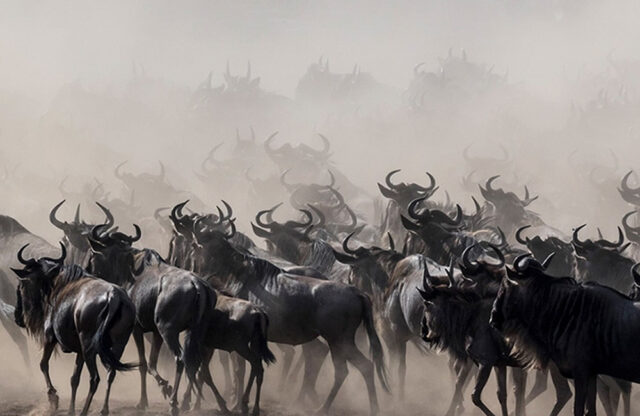
Wildebeest Migration

The Great Wildebeest Migration is one of nature’s most incredible spectacles, drawing thousands of travelers to Kenya and Tanzania each year. This awe-inspiring journey of over 1.5 million wildebeest, accompanied by zebras and gazelles, follows a cyclical pattern driven by rainfall and grazing conditions. Knowing when and where to visit is essential to witnessing key moments of the migration, from calving season to dramatic river crossings.

In this guide, we’ll break down the best times to visit, the top locations for migration viewing, and essential tips for planning the ultimate safari experience.

  1. Best Time to Witness the Migration by Season

The wildebeest migration follows an annual loop through Tanzania’s Serengeti National Park and Kenya’s Masai Mara. While it occurs year-round, certain periods offer more dramatic wildlife encounters.

December – March: Calving Season in Southern Serengeti

During this period, the herds gather in the southern Serengeti, particularly around the Ndutu region. This is the peak calving season, where thousands of wildebeest give birth daily. The lush green plains provide nourishment for mothers and newborns, but they also attract predators like lions, hyenas, and cheetahs. If you’re interested in predator-prey interactions and witnessing newborn wildebeest taking their first steps, this is the ideal time to visit.

April – June: The Journey North & Grumeti River Crossings

As the rains cease and the grasses in the southern plains dry out, the herds begin moving northward. By May and June, they reach the central and western Serengeti, where they must cross the crocodile-infested Grumeti River. This period is quieter than the peak season, offering incredible game-viewing opportunities without large tourist crowds.

July – October: The Iconic Mara River Crossings

By mid-year, the migration reaches the northern Serengeti and the Masai Mara in Kenya. This is when one of the most dramatic moments of the journey unfolds—the Mara River crossings. Thousands of wildebeest plunge into the raging waters, battling strong currents and hungry crocodiles. The crossings are unpredictable but typically occur between July and early October, making this the most popular time for safari-goers.

November – December: Returning South to the Serengeti

As the short rains arrive, the herds start moving back south toward the Serengeti, completing the migration cycle. This period offers excellent wildlife viewing with fewer tourists, making it an ideal time for those who prefer a quieter safari experience.

  1. Top Safari Destinations for the Migration

Depending on the time of year, different locations provide the best opportunities to witness the migration up close.

Serengeti National Park, Tanzania

The Serengeti is the heart of the migration, offering spectacular game viewing year-round. The southern plains are ideal for calving season, while the western and northern Serengeti provide thrilling river crossing encounters.

Masai Mara National Reserve, Kenya

From July to October, the Masai Mara is the best place to witness the famous Mara River crossings. This reserve boasts excellent wildlife densities, making it a must-visit destination for any migration-focused safari.

Grumeti Game Reserve, Tanzania

Located in the western corridor of the Serengeti, this private reserve offers an exclusive safari experience with fewer crowds. The Grumeti River crossings in June and July provide thrilling predator-prey action.

  1. Essential Tips for Planning Your Migration Safari

Choose the Right Time and Location

Decide which part of the migration you want to see and plan accordingly. The calving season, Grumeti River crossings, and Mara River crossings all offer unique experiences.

Book Early for Peak Season

If you’re visiting during the high season (July-October), book accommodations and safari tours months in advance. Lodges in the Serengeti and Masai Mara fill up quickly during the river crossings.

Opt for a Guided Safari

A knowledgeable safari guide enhances the experience by helping you track the herds, understand wildlife behavior, and navigate the vast landscapes.

Consider Different Safari Styles

Luxury lodges, tented camps, and mobile camps all offer different levels of comfort and immersion. Choose the option that best fits your budget and adventure style.

Experience the Greatest Wildlife Show on Earth

The wildebeest migration is a breathtaking display of nature’s raw power and beauty. Whether you choose to witness the birthing season in the Serengeti, the dramatic river crossings in the Masai Mara, or the quiet return of the herds to the south, timing your safari correctly ensures an unforgettable experience.